What Is Dongji and Why Do Koreans Eat Patjuk?

Dongji is the winter solstice, Korea’s ‘small New Year.’ Koreans eat patjuk, red-bean porridge, because red was believed to drive away evil on the longest night.
 Hyunmo Koo
Dongji is the winter solstice, Korea’s ‘small New Year.’ Koreans eat patjuk, red-bean porridge, because red was believed to drive away evil on the longest night.

Bungeoppang is a fish-shaped pastry with sweet red bean, sold hot from winter street stalls. Rising bean and flour costs are making the cheap snack disappear.
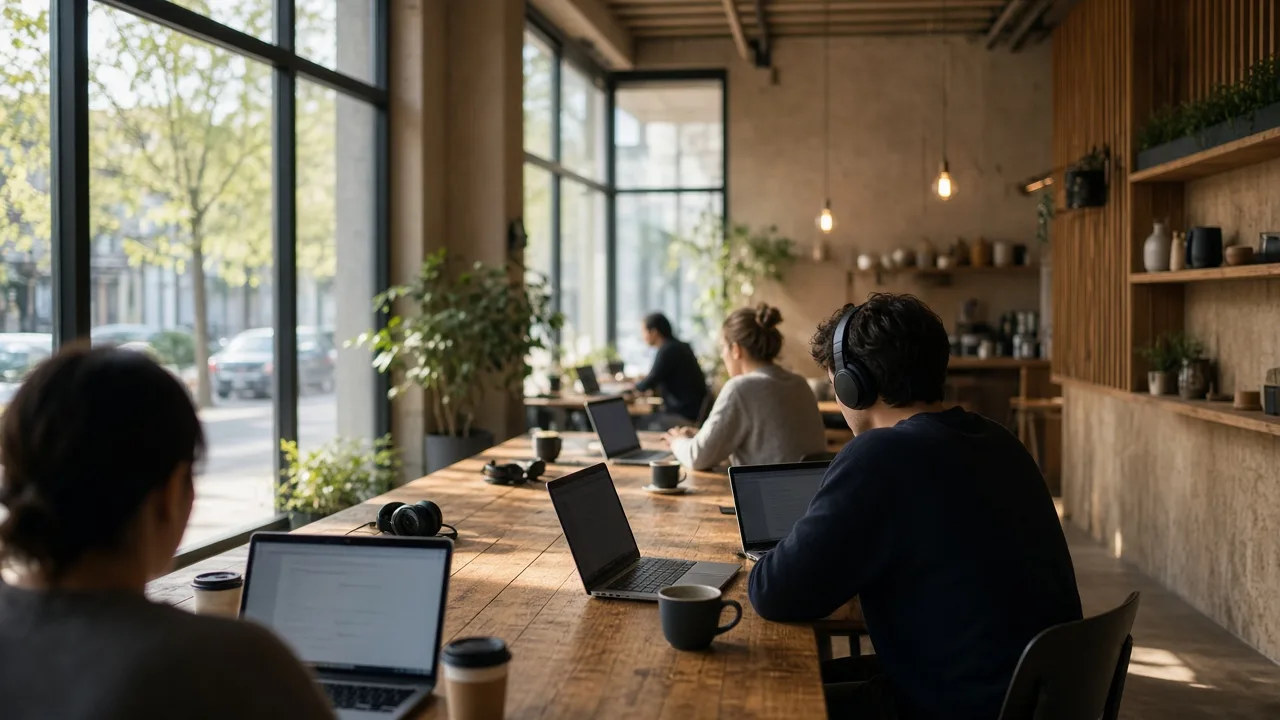
What is cagong? Why Koreans study and work in cafes, what owners say about break-even math, and the manners and Starbucks Korea rules visitors should know.

Korean photo booths fill Seoul streets. See how four-cut studios work, what they cost, why young Koreans love them and what tax data show about the boom.
Ondol heats the floor itself, first with fire smoke under stone slabs, now with hot-water pipes in apartment floors. That is why Koreans sit, sleep and live on it.
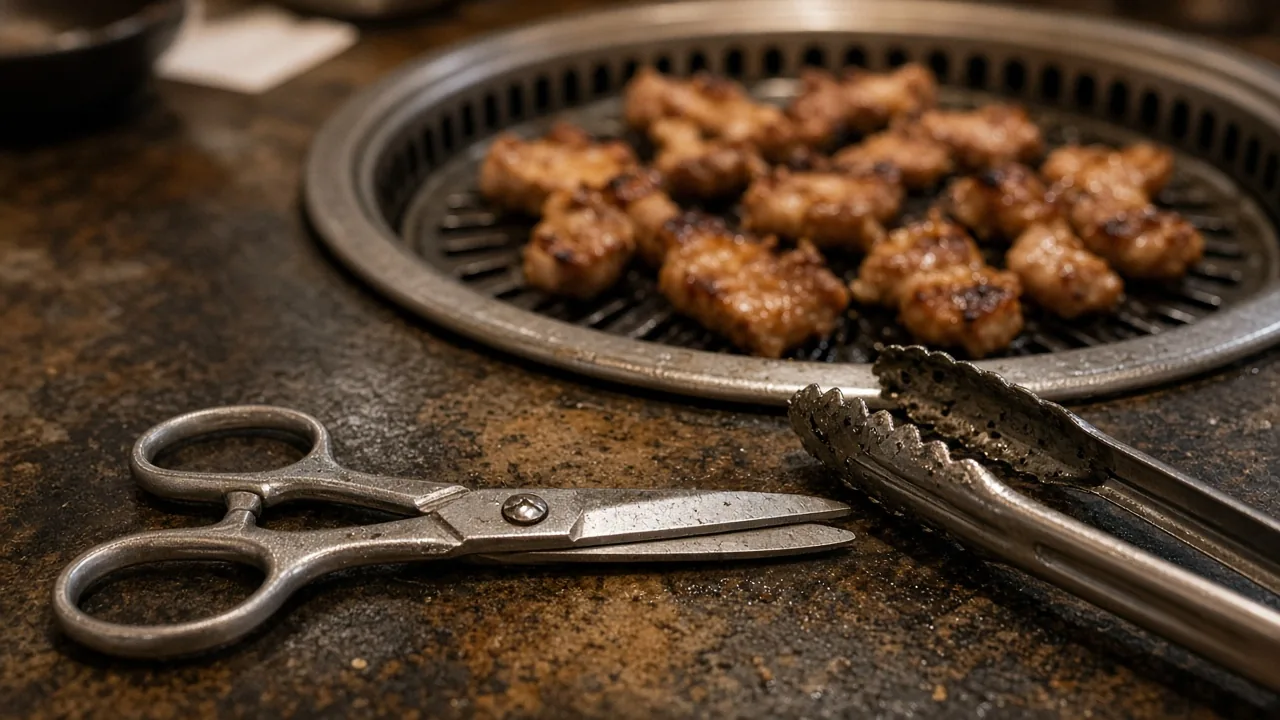
Why do Koreans cut meat and noodles with scissors at the table? See why Korean food scissors are practical, two origin stories and what visitors should know.
Christmas in South Korea is a public holiday, but not the main family holiday. Couples, friends, churches and shops mark 25 December; families gather at Seollal.

Korean trash bags are official bags you must buy. See how the 1995 volume-based fee works, what a 20-litre bag costs in Seoul (490 won) and the fines.
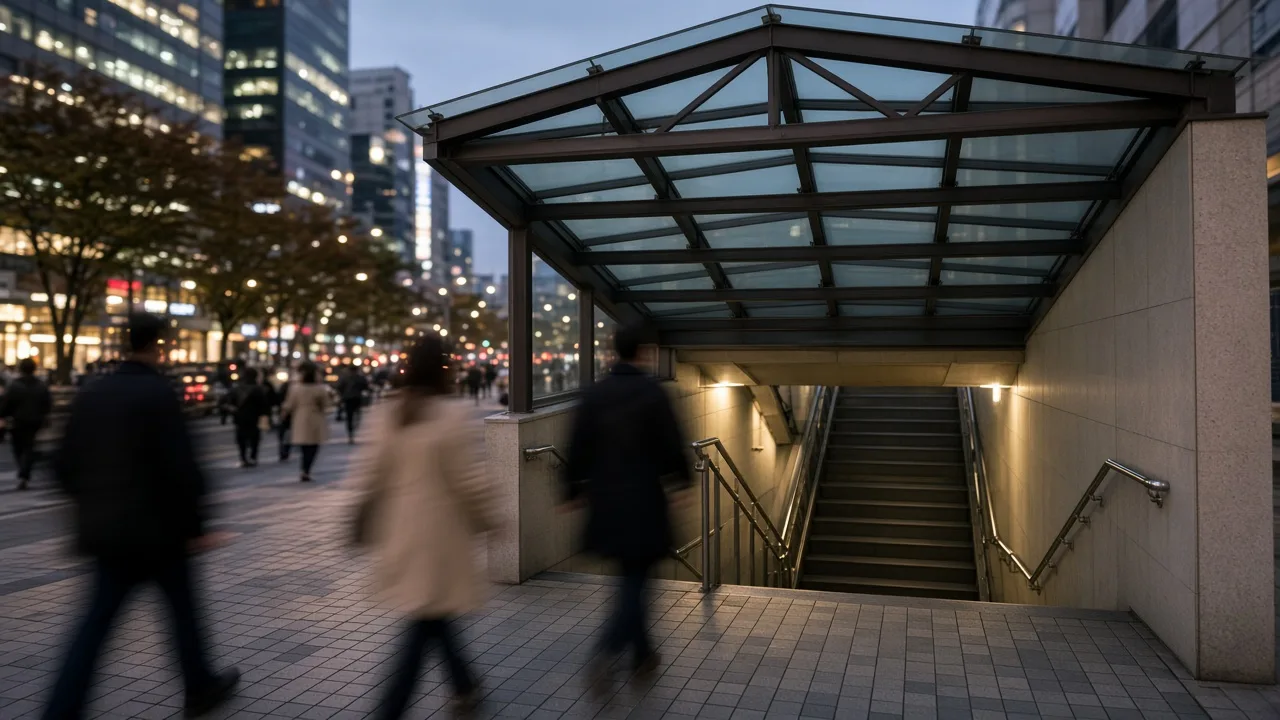
How do Seoul subway exit numbers work? Exit 1 sits front right and numbers run clockwise, but Line 1, transfers and new lines change the order.

The Korean resident registration number has 13 digits that encode your birth date and sex. Learn how to read one, why it matters and how it can be changed.