Why Do Korean Bathrooms Have a Floor Drain?
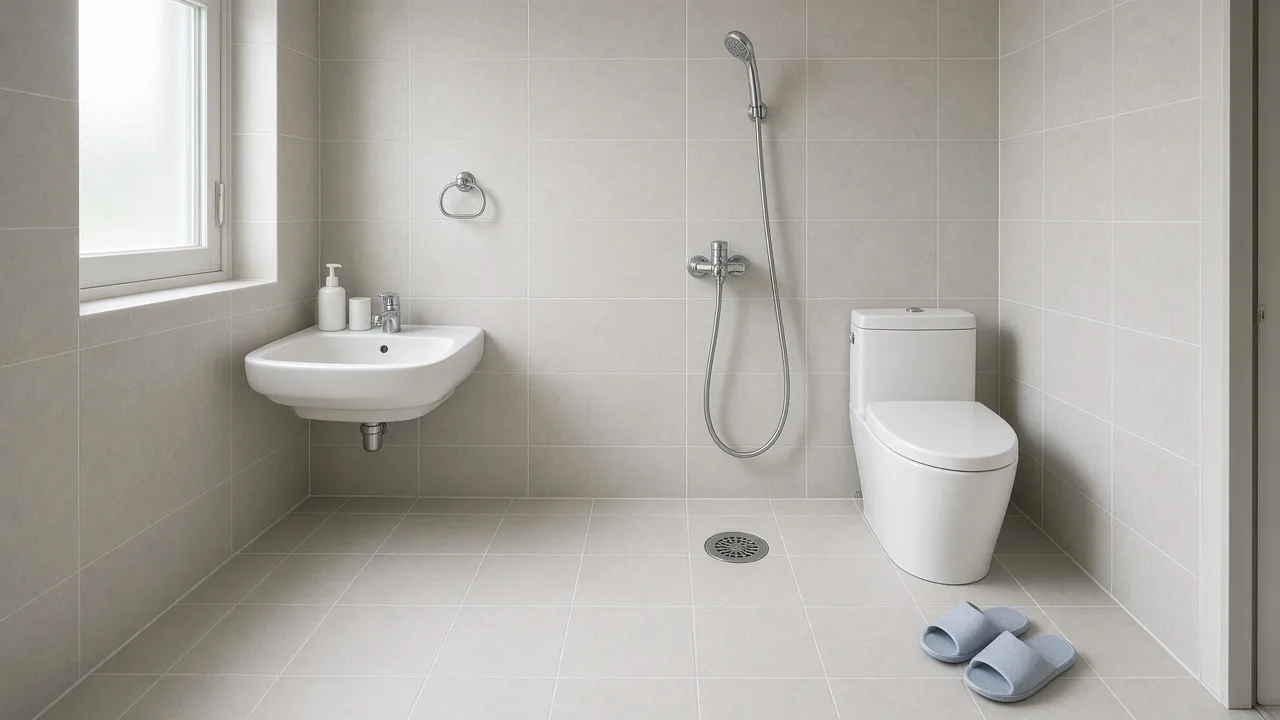
Why do Korean bathrooms have a floor drain? The whole room is a wet room with a step, no curtain and slippers. See the history and fix the smell.
Family, education, traditions, food and seasonal customs: the everyday side of life in Korea and the reasons behind it.
Why do Korean bathrooms have a floor drain? The whole room is a wet room with a step, no curtain and slippers. See the history and fix the smell.

What is a pyeong? Koreans call an 84㎡ flat 34 pyeong because they count shared space. See the units, the balcony effect and how to compare.

Why do Korean restaurants serve free side dishes? Banchan are priced into the meal, and in 2026 owners began debating charging for refills.
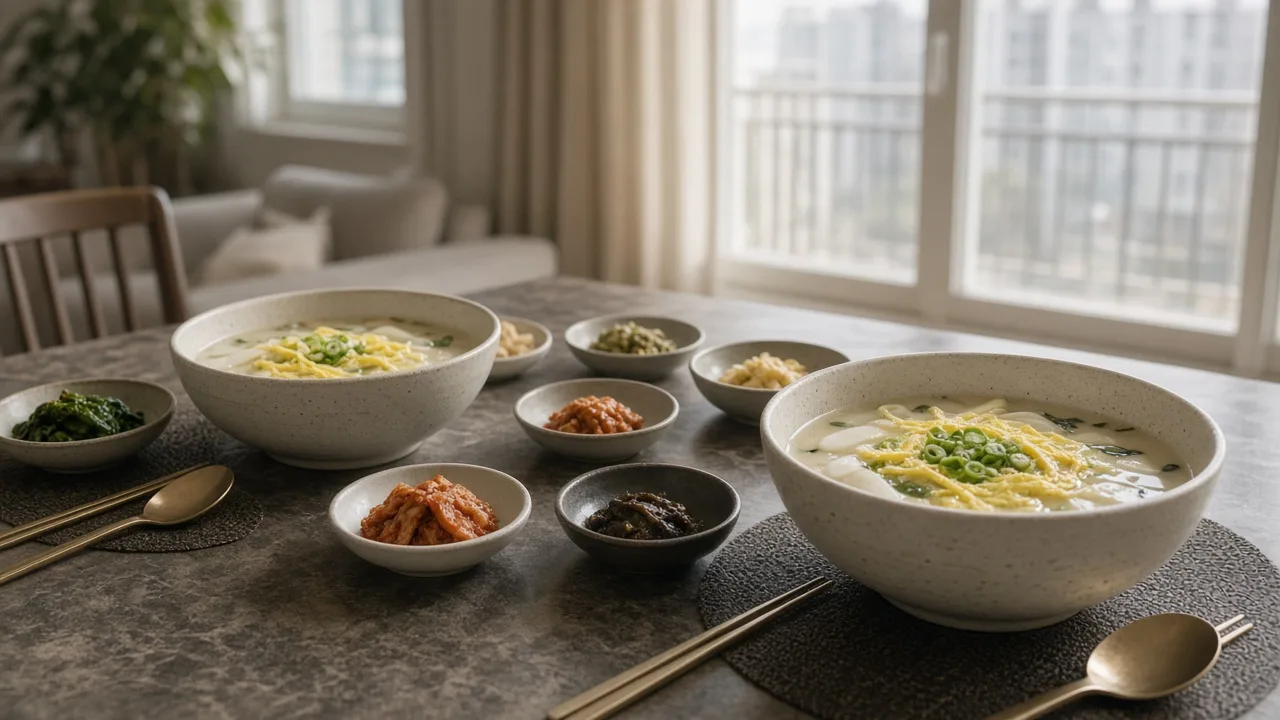
What is Seollal? Korea’s Lunar New Year means a trip home, ancestral rites, sebae bows and tteokguk. Here is how it works and the 2027 dates.
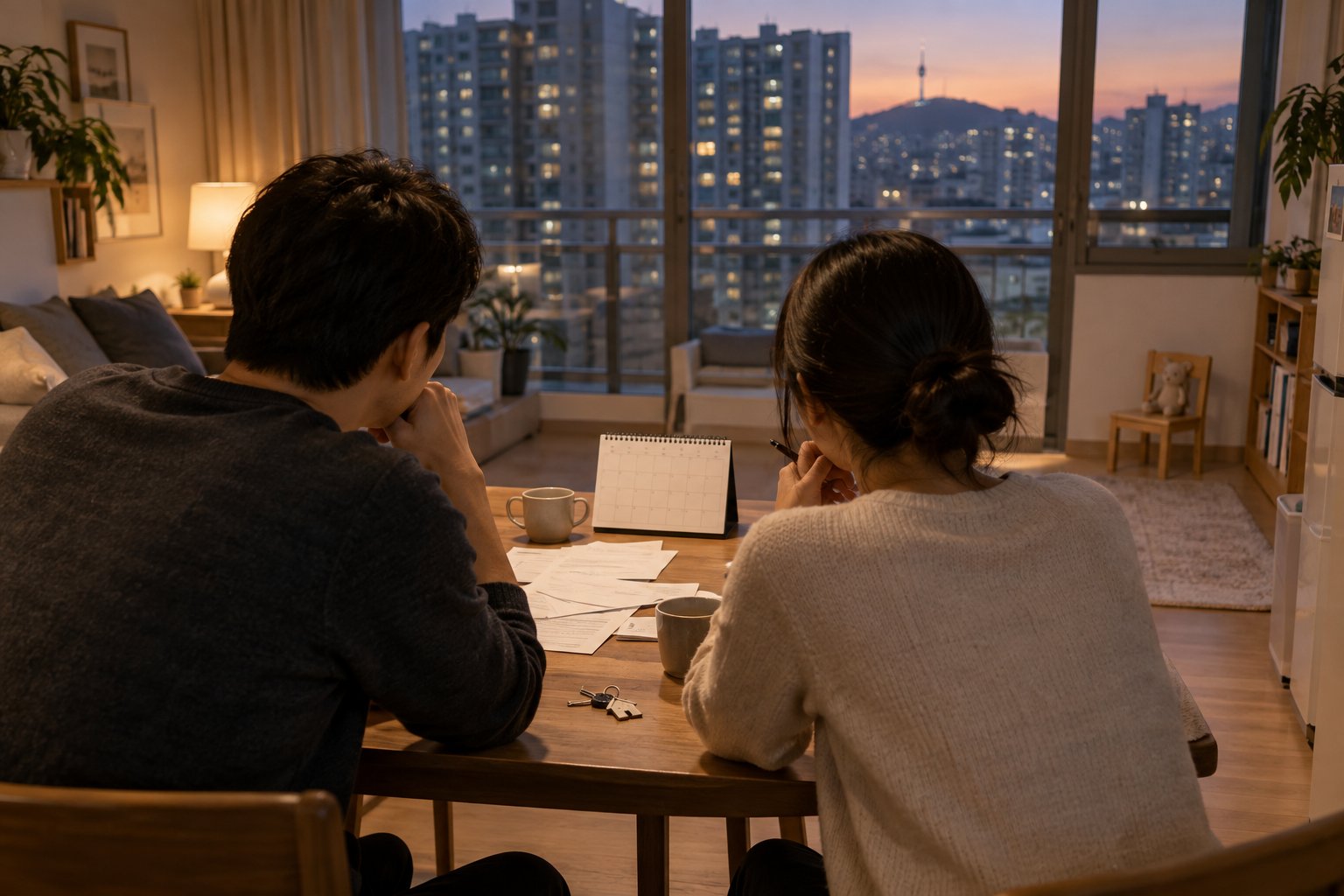
Korea’s low birth rate reflects costly housing, insecure work, unequal care and career penalties. See the latest fertility figure and what its rebound means.
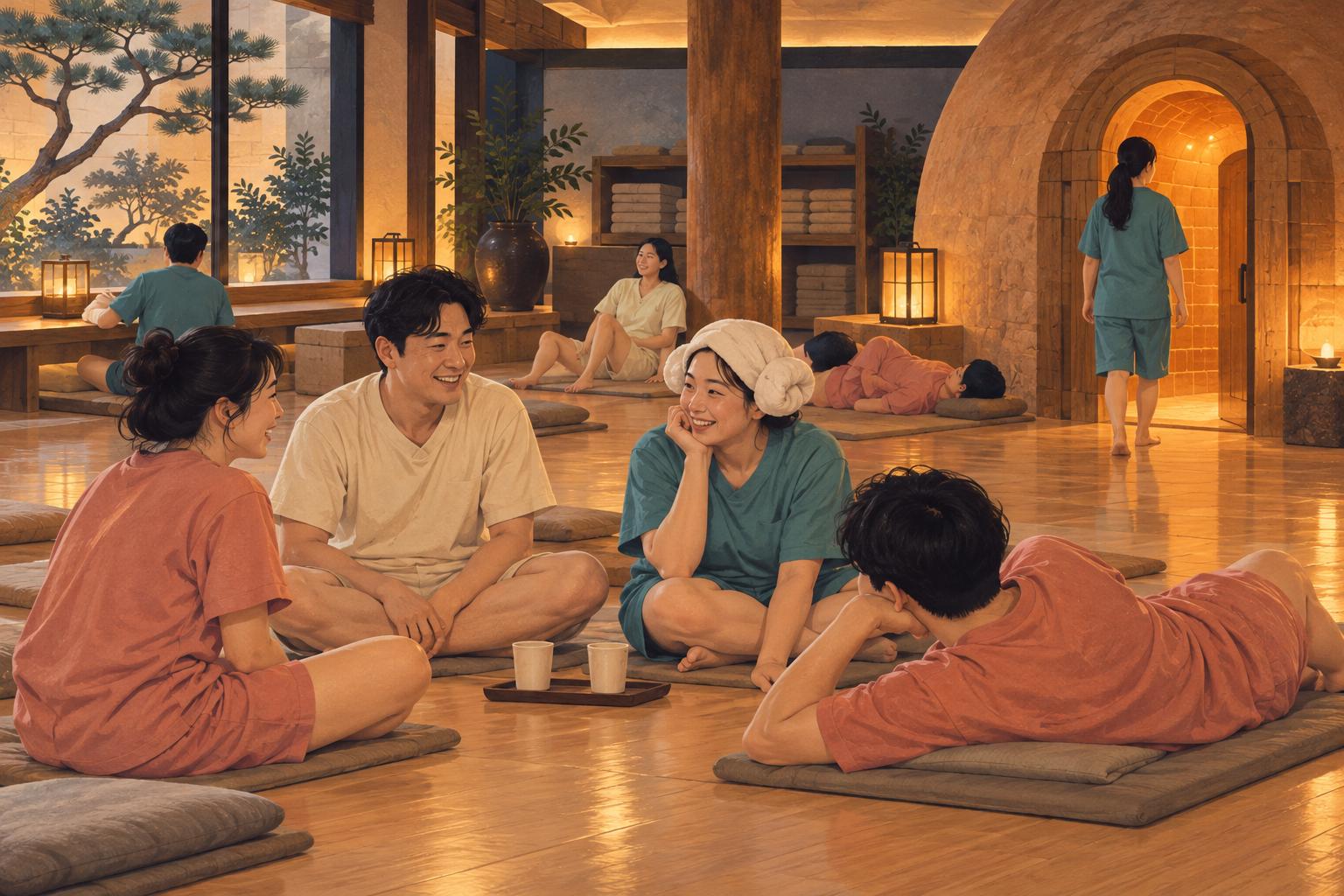
Some Korean jjimjilbangs stay open overnight because they sell shared heated floor space, not rooms. Here is the law, economics and etiquette.

A doljanchi marks a baby surviving its first year. Korea’s infant mortality fell from 114 per 1,000 to 2.3, and the party got larger as the risk disappeared.

Korean condolence money is a mutual-aid system that funds the funeral it attends. Korean anti-graft law caps it at 50,000 won for public officials.
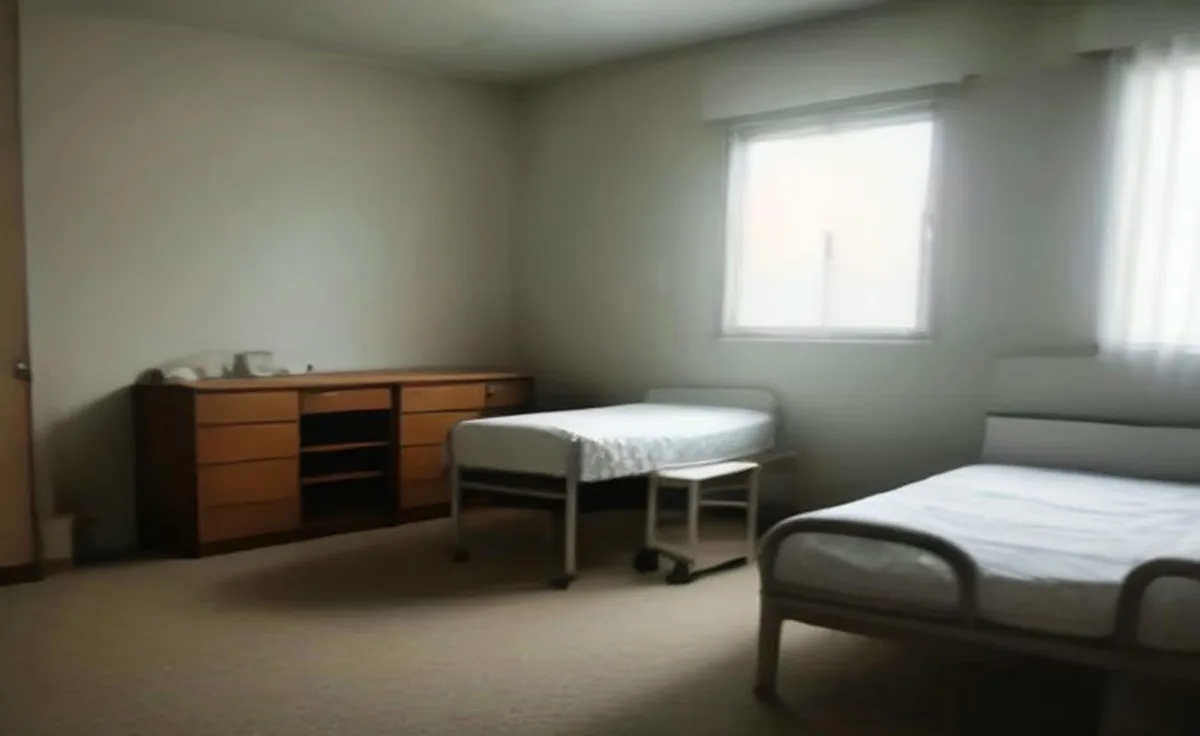
85.5 percent of Korean mothers spend about two weeks in a sanhujoriwon after birth. It is a licensed industry built on an old tradition and no family help.

Korean marriages rose in 2025, yet first marriages remain late. Explore how housing, debt, care work and proposed—not yet finalized—2027 support shape the debate.