Why Are Public Trash Cans Hard to Find in Seoul?

Why are trash cans in Seoul so hard to find? A 1995 pay-by-the-bag garbage system removed street bins. See where they are now and what to do.
Housing, transport, neighbourhoods and city planning: how Seoul and other Korean cities are built and why people use urban space the way they do.
Why are trash cans in Seoul so hard to find? A 1995 pay-by-the-bag garbage system removed street bins. See where they are now and what to do.
Seoul’s underground shopping arcades were built as air raid shelters and pedestrian tunnels, paid for by giving builders decades of shop rent.

An officetel is legally an office building that people live in. Korea built the category by deregulating it one bathroom and one heated floor at a time.
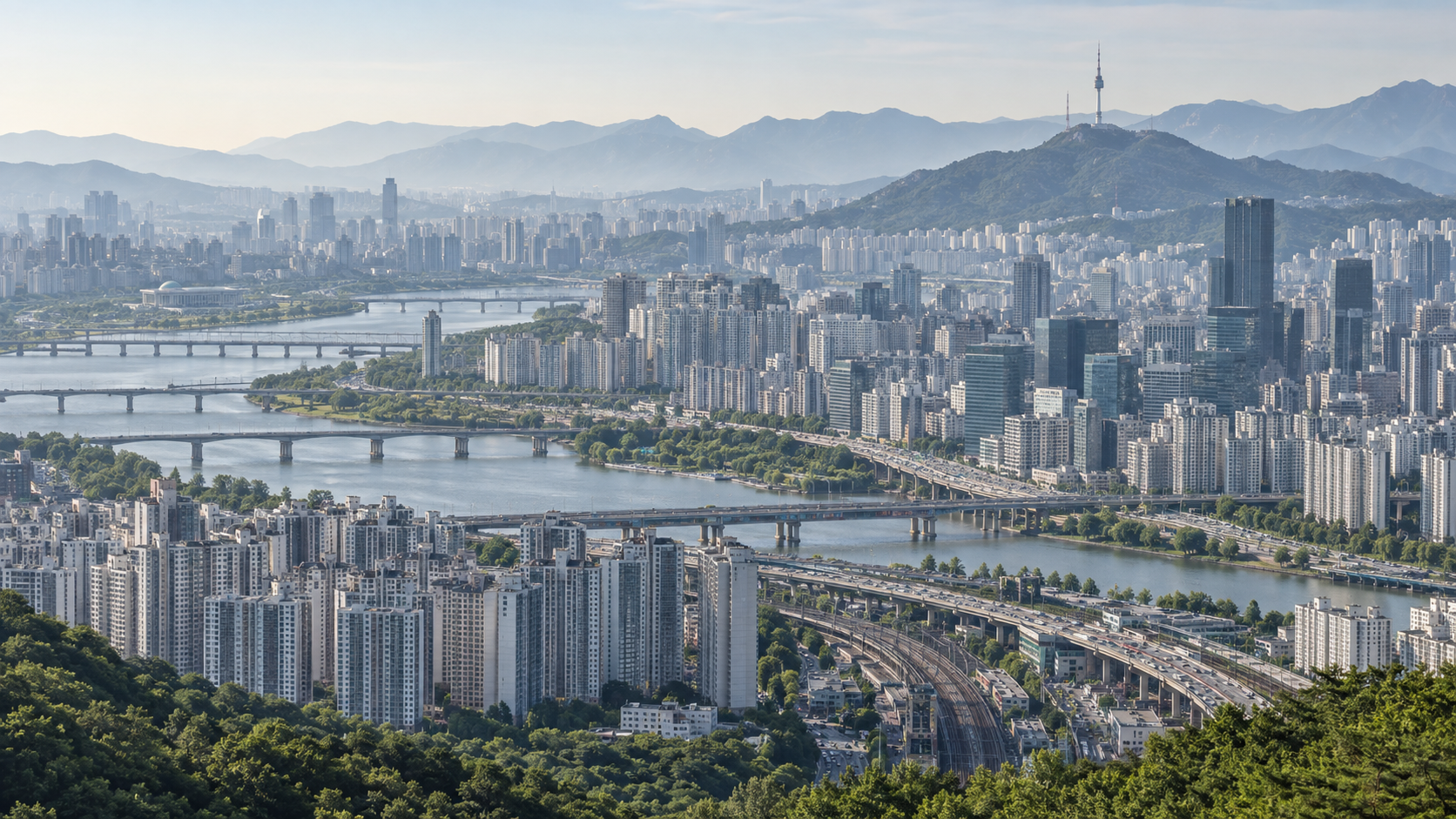
Why Seoul and its wider capital area dominate Korea: jobs, universities, networks and transport reinforce one another. Learn how to distinguish administrative relocation from genuine regional opportunity.
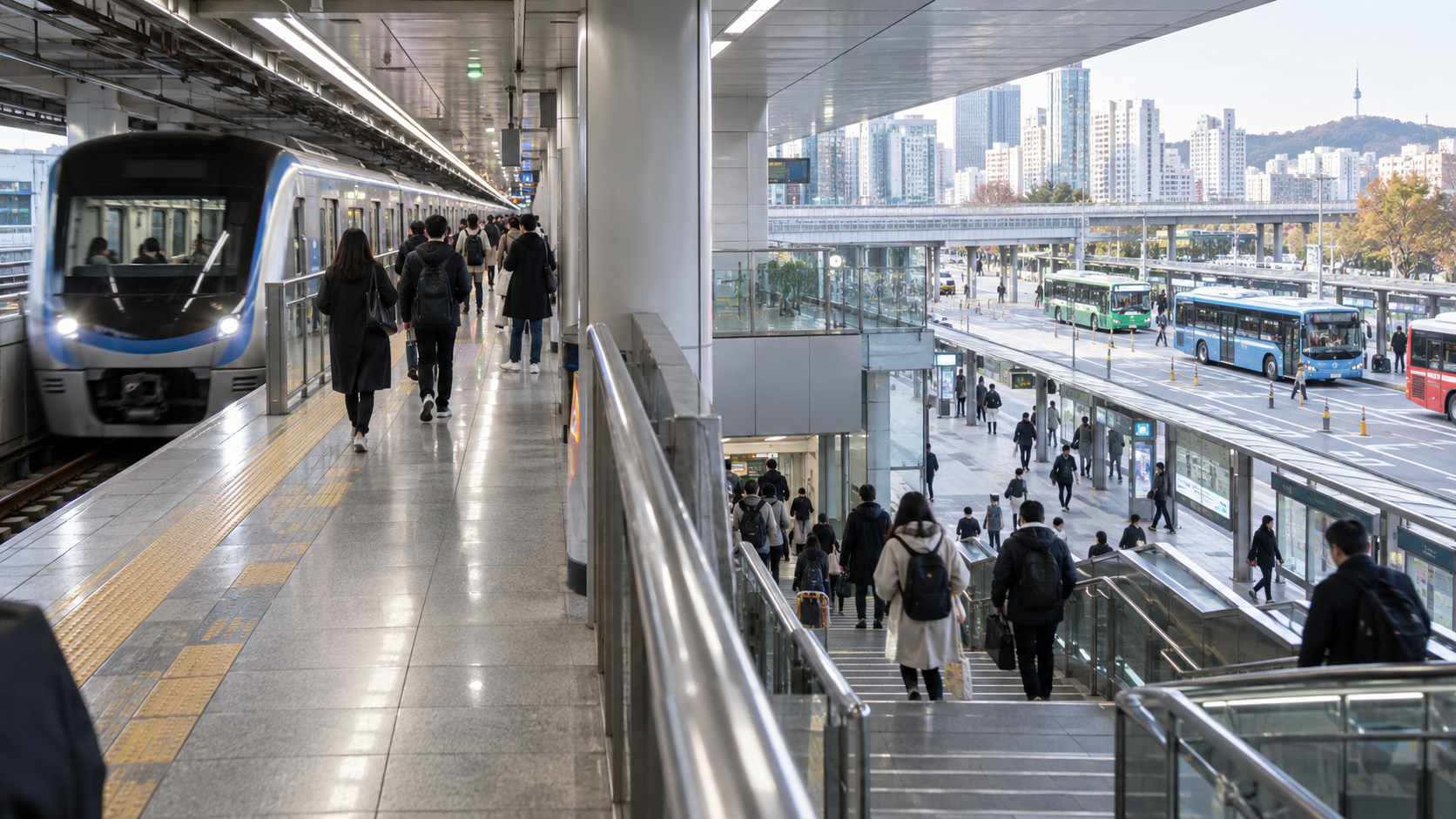
Seoul’s public transport succeeds through density, bus reform, coordinated fares, T-money and real-time information. Explore how an integrated trip works and where the system still falls short.
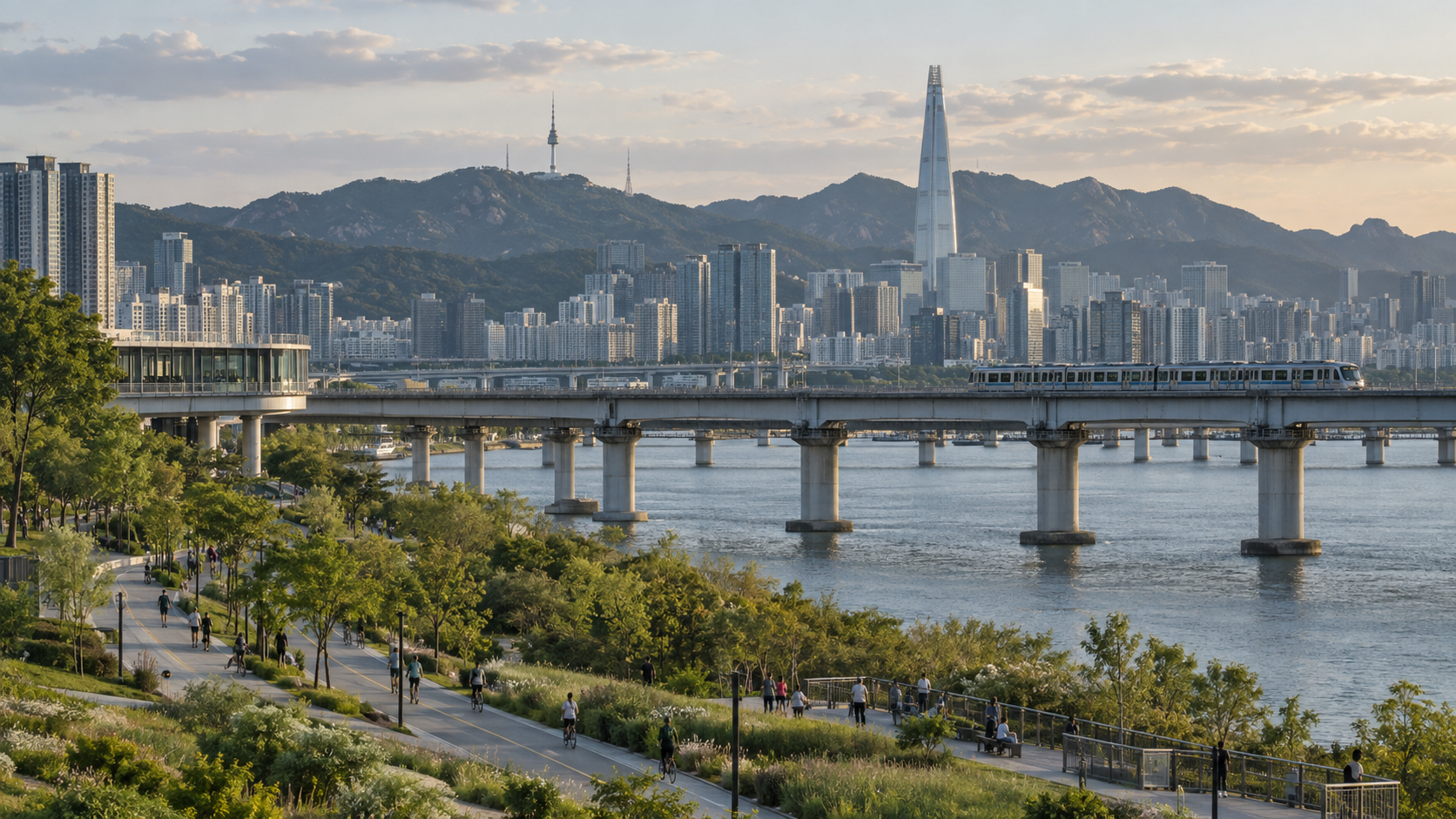
Seoul’s mountains, river parks, dense housing, public transit and digital services reinforce one another. Three everyday journeys reveal the benefits and limits of this urban model.