Why Do Koreans Work So Late? Korean Working Hours Explained
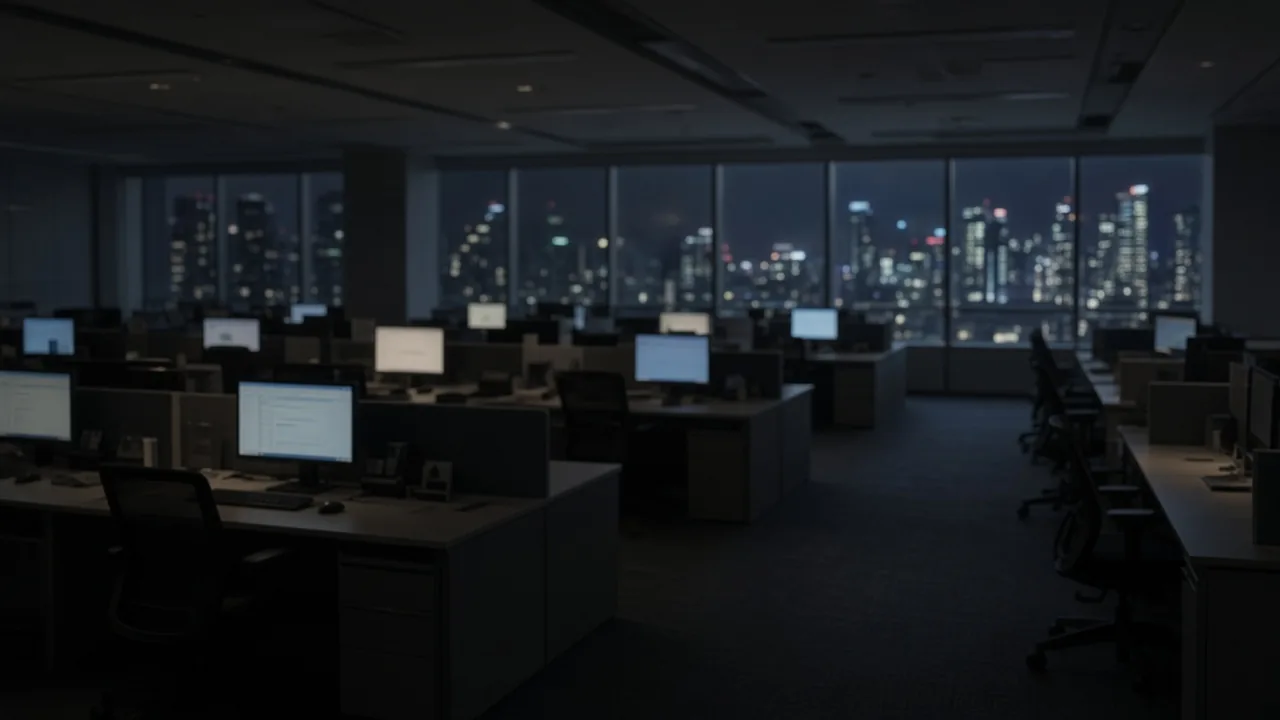
Korean working hours averaged 1,865 a year in 2024, per the OECD, under a 52-hour weekly cap. See what the law says, the exceptions and how overtime is paid.
How Korean workplaces operate: hiring, job titles, office customs, public-sector jobs, side hustles and the incentives behind working life.
Korean working hours averaged 1,865 a year in 2024, per the OECD, under a 52-hour weekly cap. See what the law says, the exceptions and how overtime is paid.

Koreans leave salaried work around 50 and cannot draw a pension for a decade. Self-employment fills the gap, and 60 percent of those businesses close in five years.
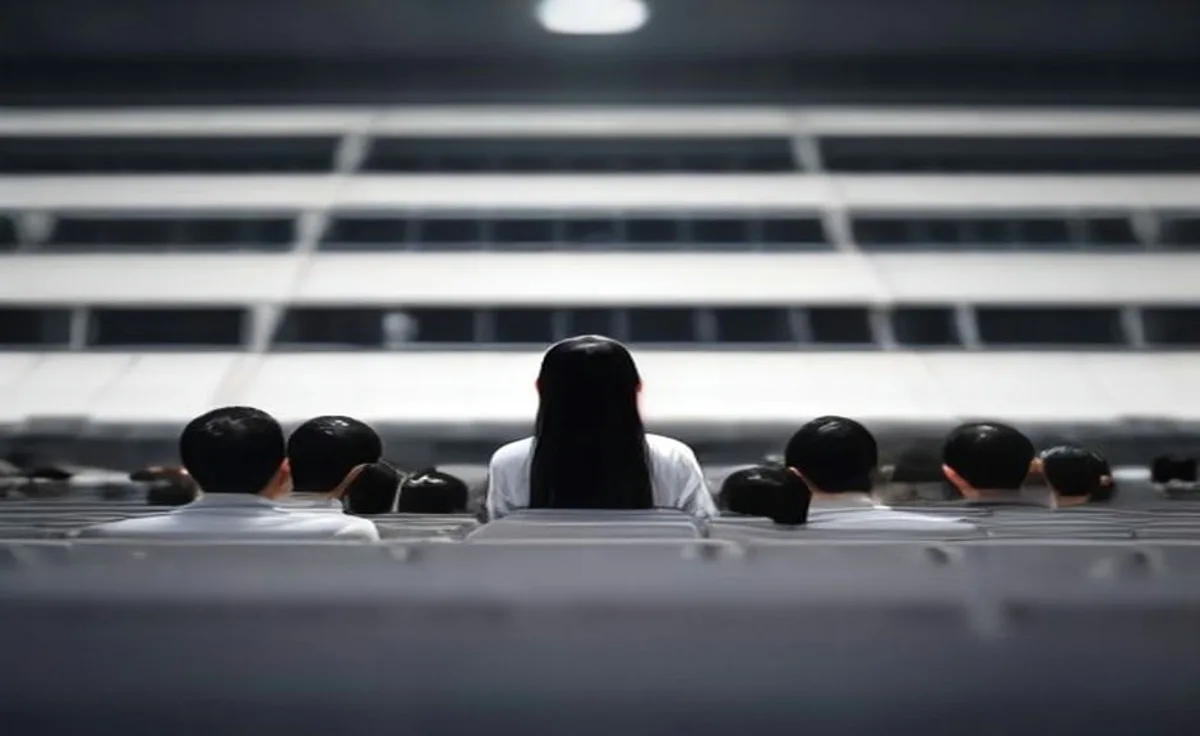
Koreans who joined a company the same year form a permanent cohort that ranks them for life. Hyundai, LG and SK ended bulk graduate hiring partly to break it.

Why Korean coworkers say team leader or manager instead of first names, how honorifics work, and why office naming customs are changing.
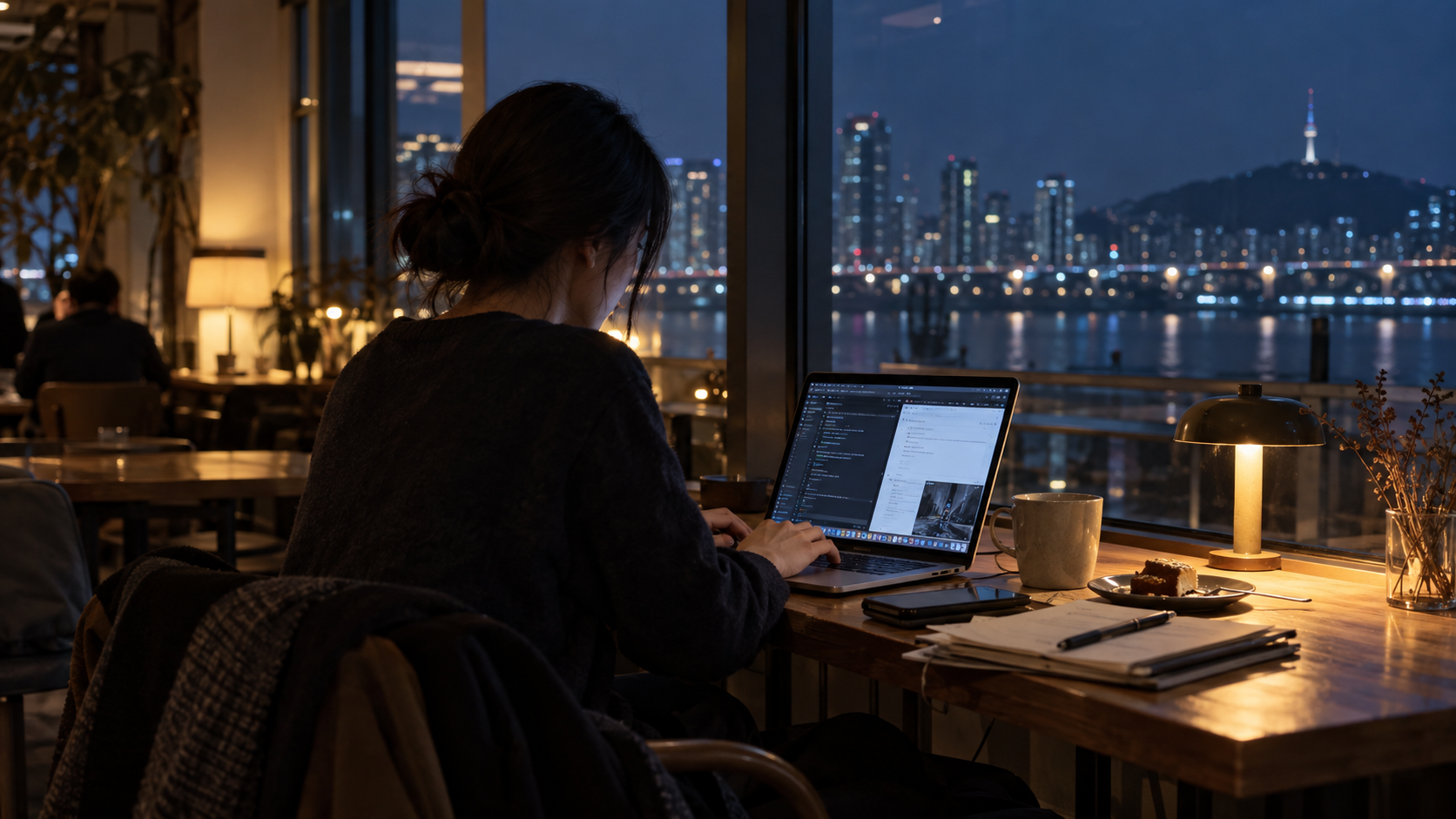
Korean side hustles range from freelance work to ecommerce and content creation. Understand the N-job trend, hidden costs, risks and the difference between revenue and profit.
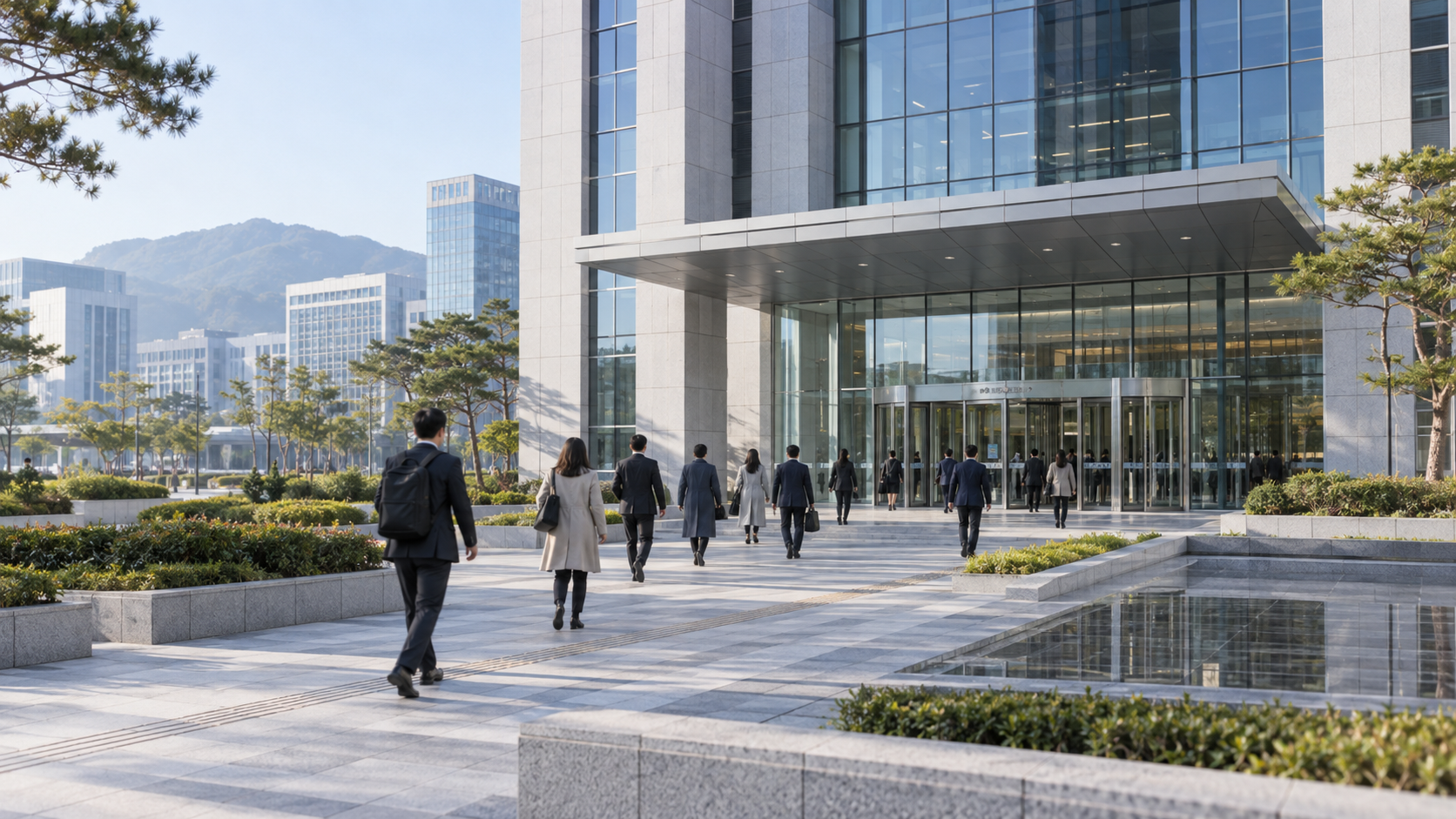
Why do Koreans seek public-enterprise jobs? The appeal of stability, the NCS recruitment system, public institutions versus civil service, and how to check a real vacancy.