What Is Kimjang and Why Do Koreans Make Kimchi in Winter?
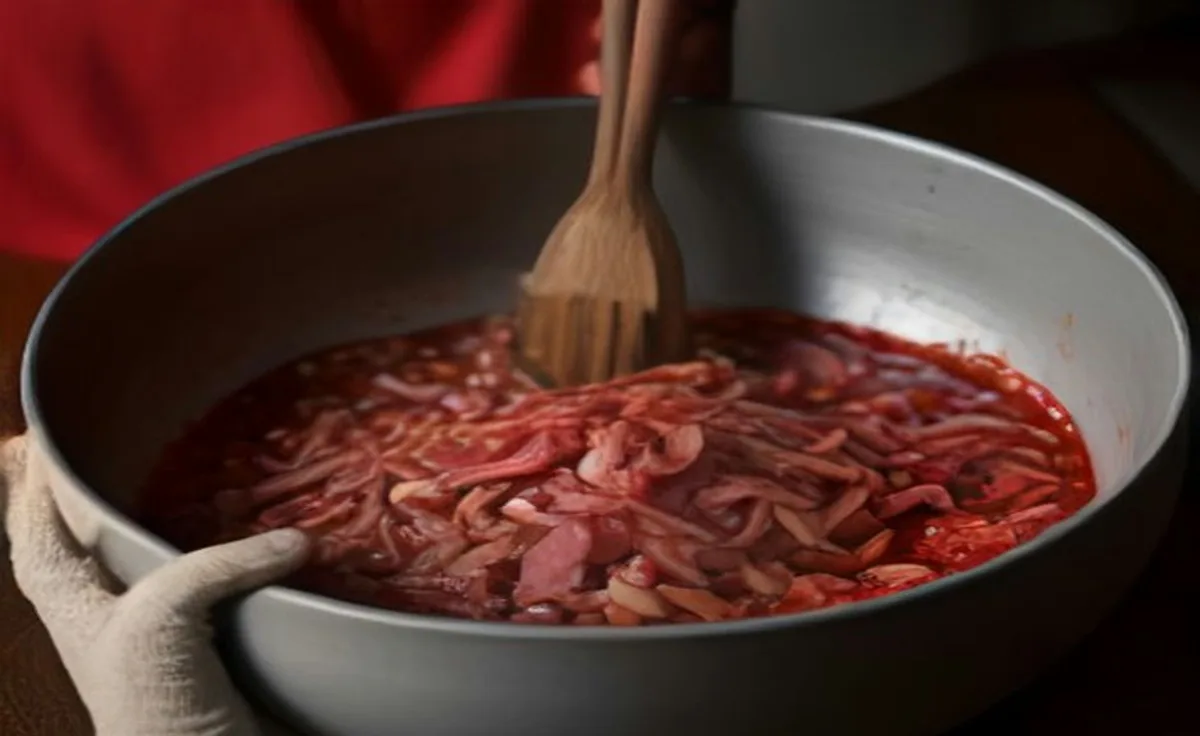
Kimjang is Korea’s late-autumn communal kimchi-making for winter. Cold storage, cabbage season and sharing made it rational; fridges and shops are changing it.
 Hyunmo Koo
Kimjang is Korea’s late-autumn communal kimchi-making for winter. Cold storage, cabbage season and sharing made it rational; fridges and shops are changing it.
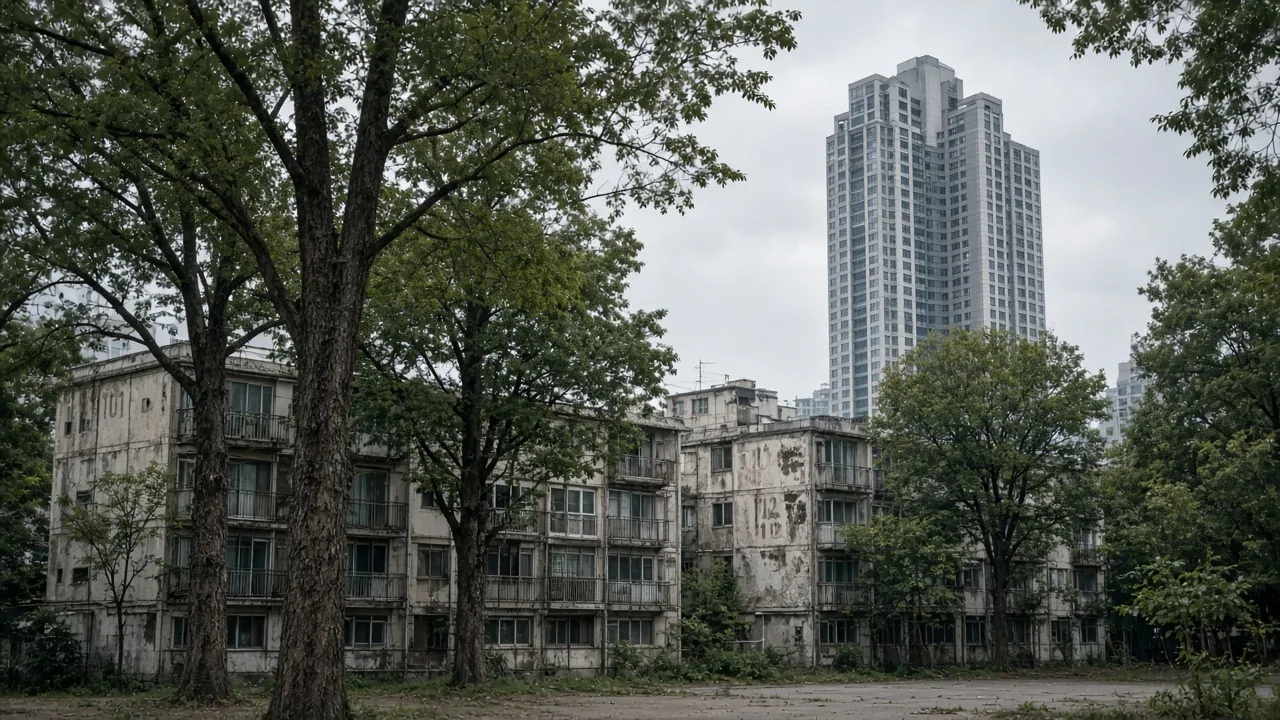
Apartment reconstruction in Korea is driven by money more than safety. See the 30-year rule, how owners pay, and what the 2025 diagnosis reform changed.
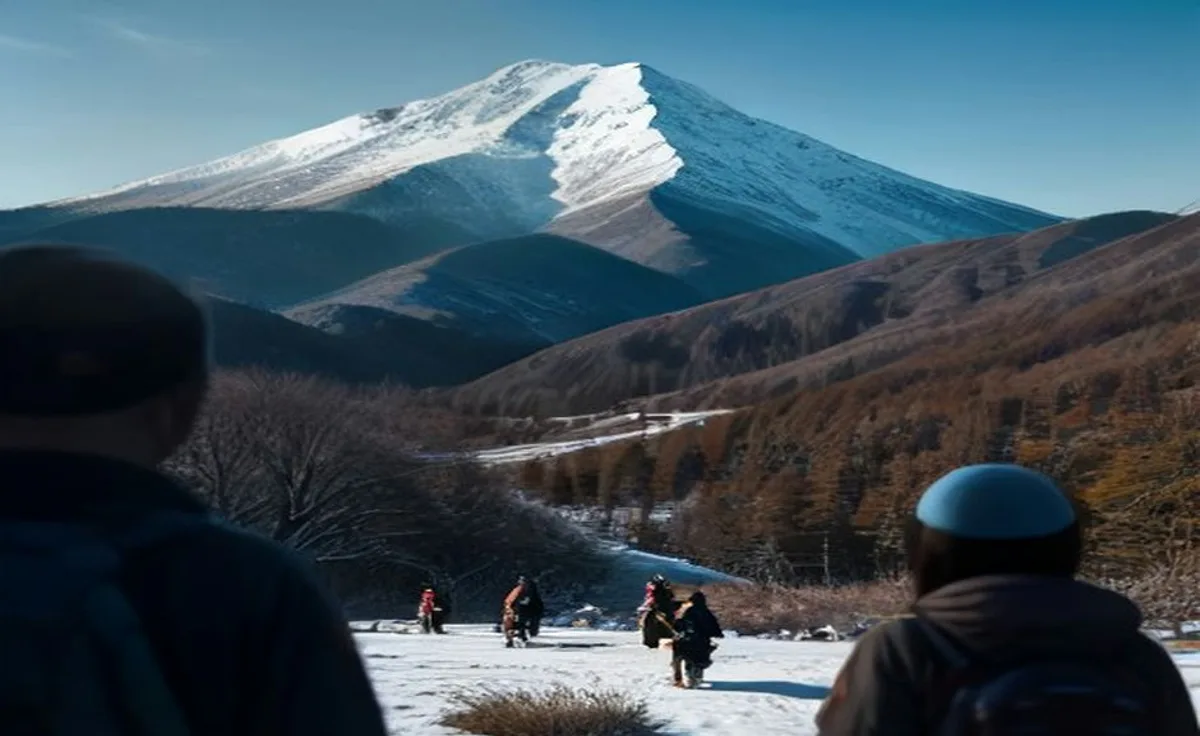
78 percent of Korean adults go to a mountain monthly. For club hikers the walk is the first half, and the meal and drink at the bottom are the point.
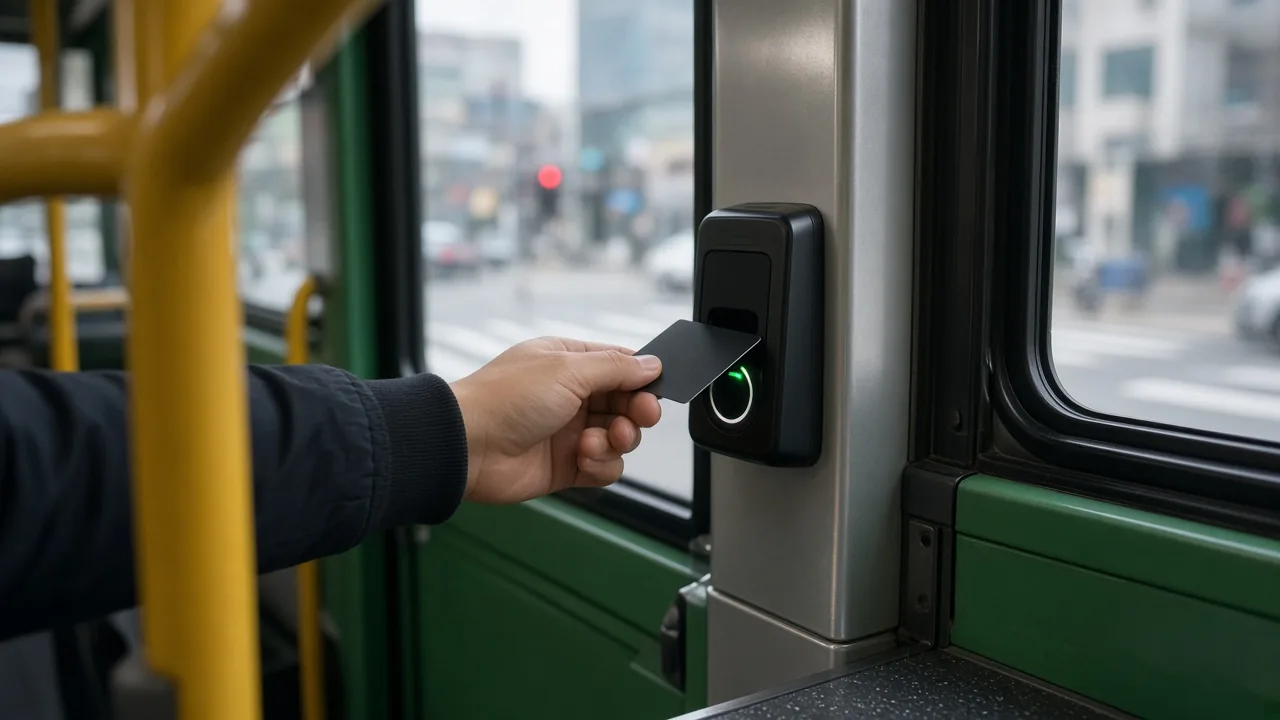
Why tap off a Seoul bus? The exit tap sets distance charges and keeps your transfer discount. See the rules and what happens if you forget.
How do Korean restaurant waiting apps work? Catchtable and Tabling explained: remote waitlists, arrival codes, the 10-minute rule and how tourists can join.
MBTI in Korea is a social shorthand for dating, work and small talk. 77% of adults aged 19 to 59 know it, but experts warn it is not a reliable test.
Why are self-service kiosks so common in Korea? Only 12.9% of eateries use auto-ordering, but cafes hit 30%. Costs, labor and who struggles, with data.
Korea has 8.24 million one-person households, 36.6% of the total in 2025. See who is living alone, why single-person households keep rising and what it means.
Wage earners are the largest group sitting Korea’s national qualification exams. They study after work because the certificate is portable and the job is not.
Is Korea safe at night? Gallup says 80% feel safe walking alone, yet a government survey finds 45% of women anxious at night. See what the data says.