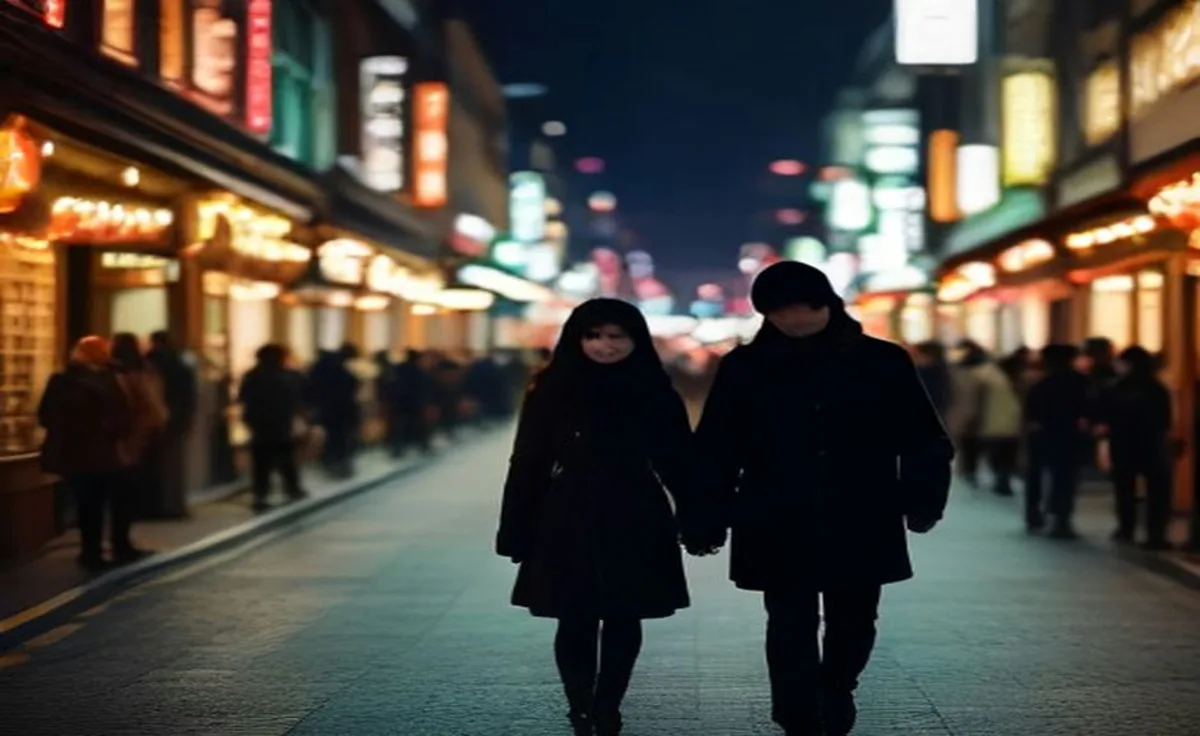
Christmas Day, 25 December, is a public holiday in South Korea, but for most Koreans it is not the year’s main family gathering. Christians attend worship or Mass, couples treat it much like a second Valentine’s Day, friends meet to eat and drink, and families with young children mark it at home, while the large, obligatory return to parents and ancestors happens instead at 설날 (Seollal, Lunar New Year) and 추석 (Chuseok, the autumn harvest festival). That division (Christmas for couples, friends and church, Seollal and Chuseok for family) is the shortest accurate answer.
| Term | What it means |
|---|---|
| 성탄절 seongtanjeol | Christmas, literally the holy birth festival; the formal name |
| 크리스마스 keuriseumaseu | Christmas, the everyday loanword |
| 대체공휴일 daeche-gonghyuil | A substitute public holiday, granted when a holiday falls on a weekend |
| 설날 Seollal | Lunar New Year, the main winter family holiday |
| 명절 myeongjeol | A major traditional holiday such as Seollal or Chuseok |
Is Christmas a public holiday in Korea?
Yes. South Korea is one of the few countries in East Asia where 25 December is an official public holiday, a status that dates to the years just after liberation from Japanese colonial rule in 1945, when Christians were only a small minority, about 2 to 3 percent of the population in the accounts published by Korea.net and the Korea JoongAng Daily. Since 2023 Christmas has also been covered by the substitute-holiday system, so when 25 December falls on a weekend, the following working day becomes a holiday instead.
That legal status surprises many visitors, because the day does not feel like a shutdown. Shops, restaurants, cafes and department stores are open and busy; December is a retail season. What closes is the ordinary working calendar: offices and schools are off, which is precisely what makes the day usable as a date, an outing or a church day rather than as a day of travel to a hometown.
If it is a holiday, why is it not mainly a family day?
Because Korea’s calendar already has family days, and they carry obligations Christmas never acquired.
Seollal and Chuseok are built around returning to family, honouring ancestors and eating ritual foods together. Christmas arrived through churches, schools and commerce in the twentieth century, without that ancestral layer. It therefore settled into the slots left open: romance, friendship, children and worship. Korea.net’s guide puts it plainly: meeting relatives is not a Christmas tradition in Korea as it is at Seollal or Chuseok; young couples exchange gifts and go out, people without a partner often meet friends, and Christians go to church.
There is a practical reason the couple pattern is so strong. Many unmarried young adults live with their parents, a pattern connected to housing costs and to the long preparation for a first job. A public holiday in the middle of winter, with hotels, restaurants and illuminated streets marketing to couples, offers time and privacy that ordinary weekends do not. Korean media routinely describe 25 December as a peak date day, and restaurants and popular districts fill accordingly. That is a description of a tendency among younger, urban Koreans, not a rule for everyone: parents of small children often do a recognisably Western Christmas at home, with a tree, cake and presents, because children expect it.
What do Korean Christians do at Christmas?
They are a large minority, and for them the day is religious first.
The 2015 Population and Housing Census, the last census to ask about religion in detail, recorded 56.1 percent of Koreans as having no religion, with Protestants and Catholics together making up roughly three in ten people. More recent private surveys give a similar picture of a Christian minority of around three in ten and a non-religious majority. Churches hold Christmas services and carol events, Catholic cathedrals such as Myeongdong in Seoul hold Masses that draw visitors as well as worshippers, and church communities have a long history of neighbourhood carol-singing and gift-giving, stronger in the 1970s and 1980s than in today’s apartment districts.
Note the distinction even here. A Korean Christian may spend Christmas morning at church and the afternoon with a partner or friends, rather than travelling to an extended-family gathering. Worship is communal, but it is centred on the congregation, not on the ancestral family.
What will a visitor actually see in December?
Lights, trees, cake and queues.
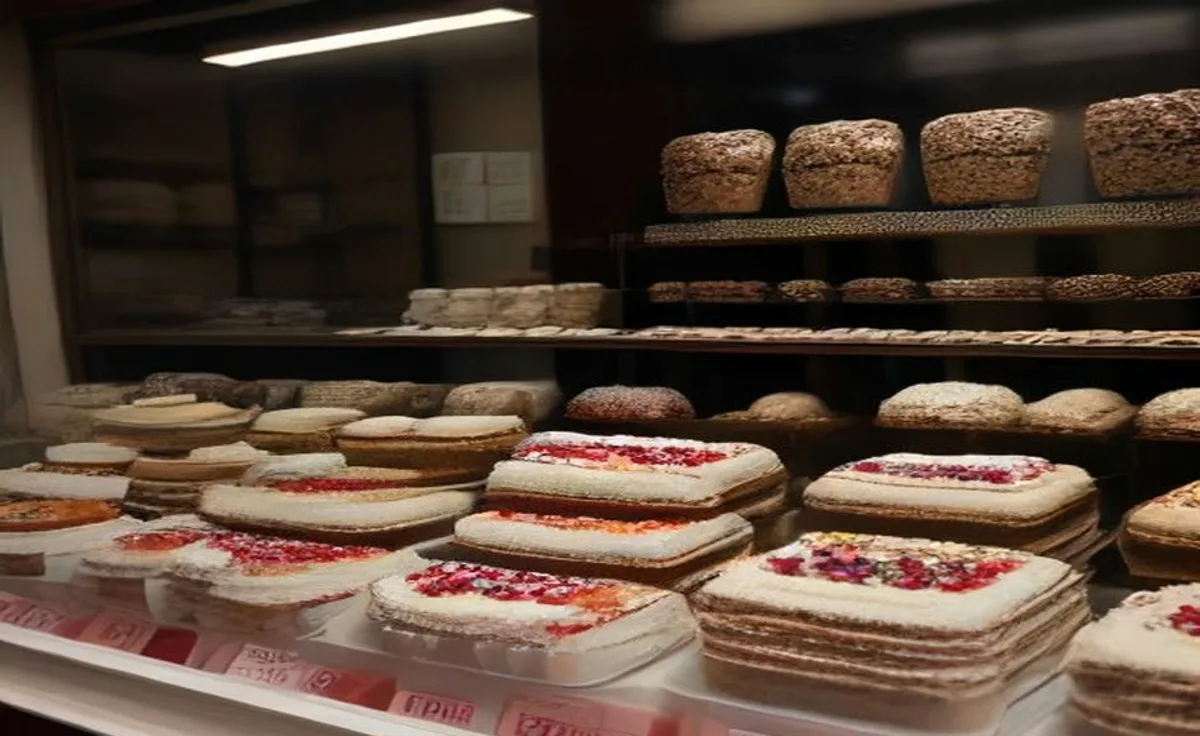
Department stores in Seoul compete with large illuminated facades and trees from November, bakeries sell Christmas cakes that are often reserved in advance and eaten with a partner, family or friends rather than after a large home dinner, and popular restaurants take bookings for 24 and 25 December. Convenience stores and cafes run seasonal drinks and merchandise. None of this requires religious belief, and most of it is aimed at people spending the day in the city, in public, with one or two other people.
That commercial layer is sometimes described as Christmas being “imported” or “inauthentic” in Korea. From the inside it looks more specific: Korea took a foreign festival and assigned it the jobs its own calendar had left vacant. Seollal already did family duty, ancestry and the turn of the year. Christmas was free to become the winter festival of couples, friends, children and churches.
What are the trade-offs of a couples’ Christmas?
What it gives. A light holiday. Because Christmas carries little obligation to travel, host or perform family ritual, many Koreans experience 25 December as genuinely restful or romantic in a way Seollal, with its travel, cooking and formal greetings, often is not. For Christians, a national holiday also makes worship easy without taking leave.
What it costs. Anyone outside the couple pattern can feel conspicuously outside it. Korean media and comedy treat being single at Christmas as a seasonal joke, which reflects a real pressure: a day marketed around pairs makes friends-and-family versions feel like substitutes, even though they are common. The commercial peak also means high prices and crowded restaurants on the two evenings that surround the holiday.
And what it does not do. Christmas has not displaced the family holidays, and there is little sign it will. If anything, the contrast clarifies both: as Seollal gatherings shrink with smaller families, Christmas remains the low-obligation end of the winter calendar.
What is changing now?
Three modest shifts. First, the 2023 substitute-holiday rule made Christmas more reliably a long weekend, which strengthens its use for short trips and dates. Second, family-style celebration at home has grown among parents of young children, influenced by kindergartens, media and retail, so “no children, no home Christmas” is less true than it was. Third, churches are adapting to apartment living and noise concerns by keeping more celebration inside services and organised events rather than in street carolling.
The structure underneath has not moved. Christmas in Korea is still best understood not as a smaller version of an American or European Christmas, but as a different assignment of the same date.
Common questions
Is Christmas a public holiday in South Korea?
Yes. 25 December is an official public holiday, and since 2023 it has been eligible for a substitute holiday when it falls on a weekend.
Do Korean families gather at Christmas?
Usually not in the way they do at Seollal or Chuseok. Christmas is more often spent with a partner, friends or a church congregation; families with young children may celebrate at home.
Why is Christmas a couples’ holiday in Korea?
Because the family and ancestral roles are already taken by Seollal and Chuseok, Christmas developed as a romantic and social day, helped by a winter public holiday, urban restaurants and seasonal marketing.
Do Koreans exchange Christmas gifts?
Yes, especially couples and parents giving to children. The large gift-giving obligations of Seollal and Chuseok, including money for elders and children, remain separate.
What food is associated with Christmas in Korea?
Christmas cake from a bakery is the most recognisable item, often reserved in advance. There is no single traditional Christmas dinner comparable to tteokguk at Seollal.
Why Christmas in Korea was never a family holiday
Christmas became a couples’, friends’ and church holiday in Korea because it entered a calendar whose family obligations were already spoken for. Liberation-era law made 25 December a public holiday when Christians were only a few percent of the population; churches gave it worship, commerce gave it lights and cake, and young adults living with their parents gave it romance. Seollal and Chuseok kept the ancestors, the hometown trip and the formal family meal. To understand Christmas in Korea, do not ask why it is less familial than in the West. Ask what job it was hired to do, and notice that family was never in the description.
Related reading: Why Are Some Young South Koreans Delaying or Opting Out of Marriage? Why Are Apartments So Popular in South Korea? Why Is South Korea So Concentrated in Seoul?
References and further reading
- Korea.net: Quick guide to how Christmas is observed in Korea: couples, friends, church, and the contrast with Seollal and Chuseok
- Korea JoongAng Daily: ‘Valentine’s Day, with Santa’: how Christmas became a couples’ holiday in Korea, including its liberation-era holiday status
- Korea Herald: Buddha’s Birthday and Christmas given substitute holidays (2023 rule change)
- Visit Korea: public holidays in Korea