Why Do Koreans Invest So Much in US Stocks? Seohak Ants
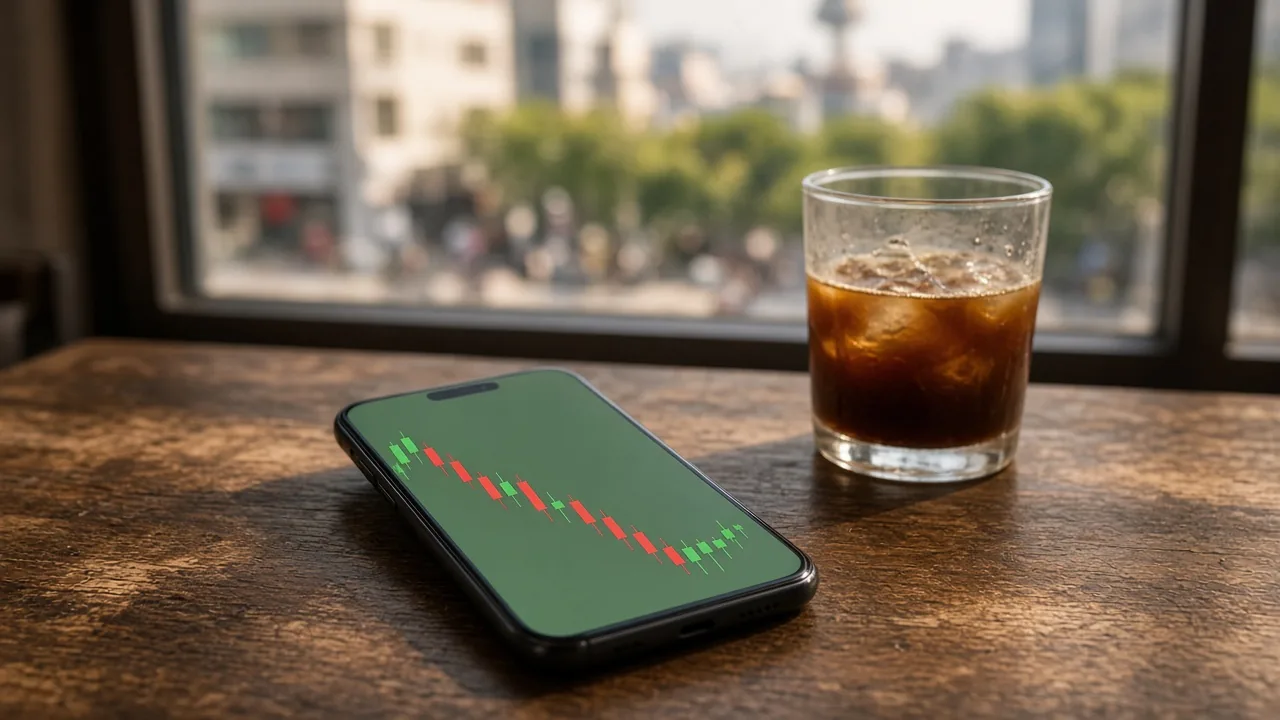
Why Koreans invest so much in US stocks: weaker home returns, low dividends and a weak won. See the numbers, the 2026 reshoring accounts and the tax rules.
Explainers on how money works in Korea: housing deposits and rent, banking, taxes, insurance and the household finance habits behind them.
Why Koreans invest so much in US stocks: weaker home returns, low dividends and a weak won. See the numbers, the 2026 reshoring accounts and the tax rules.
Korean household debt is 171% of disposable income, among the highest in the OECD, yet its share of GDP fell to 81.1% in 2026. Here is why and what it means.
Korean apartment complexes rename themselves to borrow a richer neighbourhood or a newer builder brand. The procedure is hard and the evidence is mixed.

Korean monthly rent still asks for a deposit worth many months of rent. The deposit lowers the monthly bill, secures the landlord, and links wolse to jeonse.

Jeonse trades a large refundable deposit for little or no monthly rent. Learn how the money moves, why landlords use it, and what risks tenants face.

Korean households route each payday into separate accounts by purpose. Free instant transfers, card tax deductions and lump-sum housing goals make it rational.

Gwolligeum is key money paid by one Korean shop tenant to another, not to the landlord. Illegal to recognise until 2015, now protected by statute.

A cheongyak account is Korea’s queue ticket for a new apartment. Points accrue for years of not owning a home, which is why parents open one for children.

Gwanribi is the monthly fee Korean apartments charge for shared services. Here is what the law requires on the bill, and the item tenants can claim back.
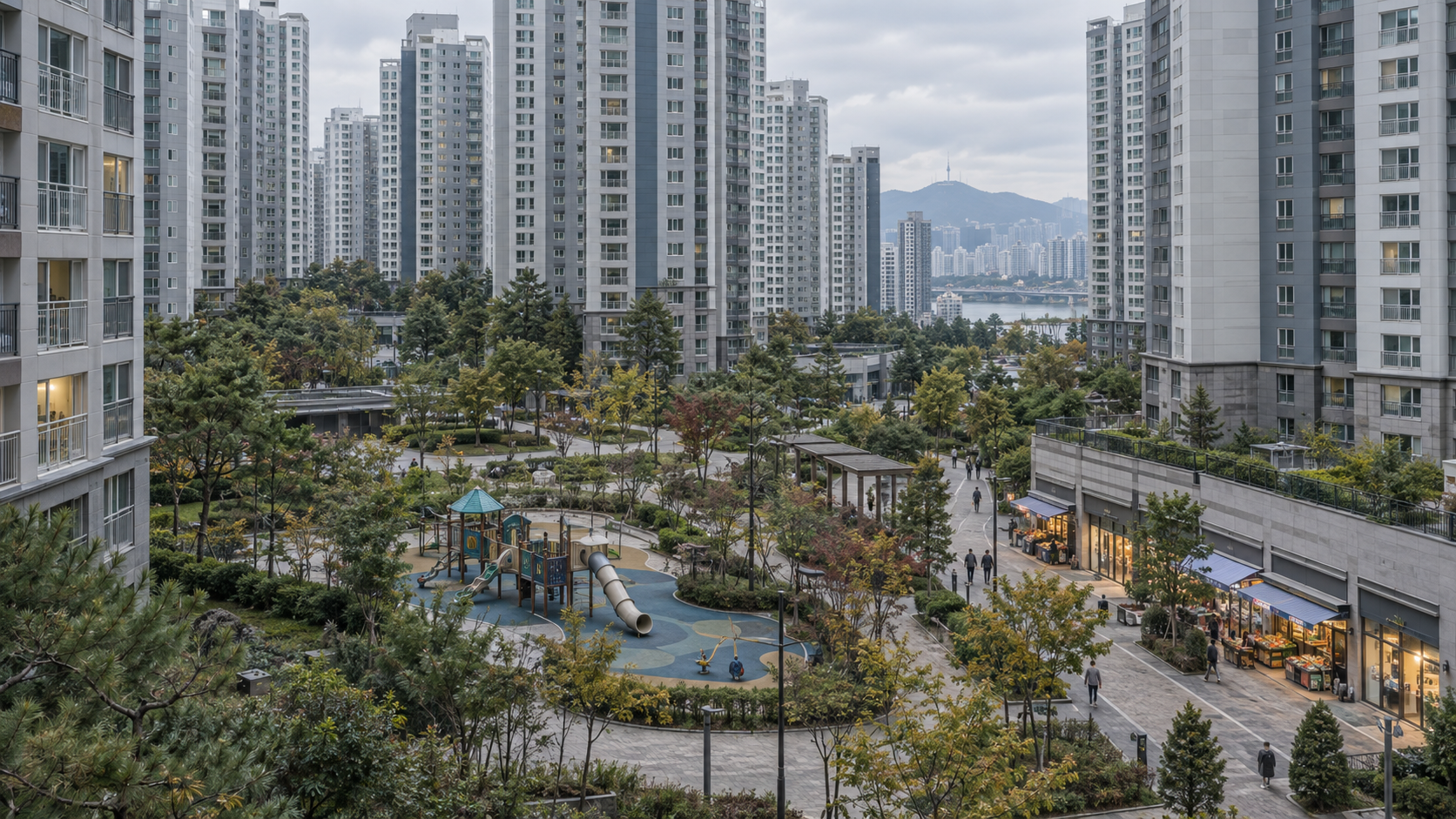
Korean apartments dominate housing because urban planning, shared management, school access, financing and resale markets reinforce each other. Here is what buyers compare and what the statistics really measure.