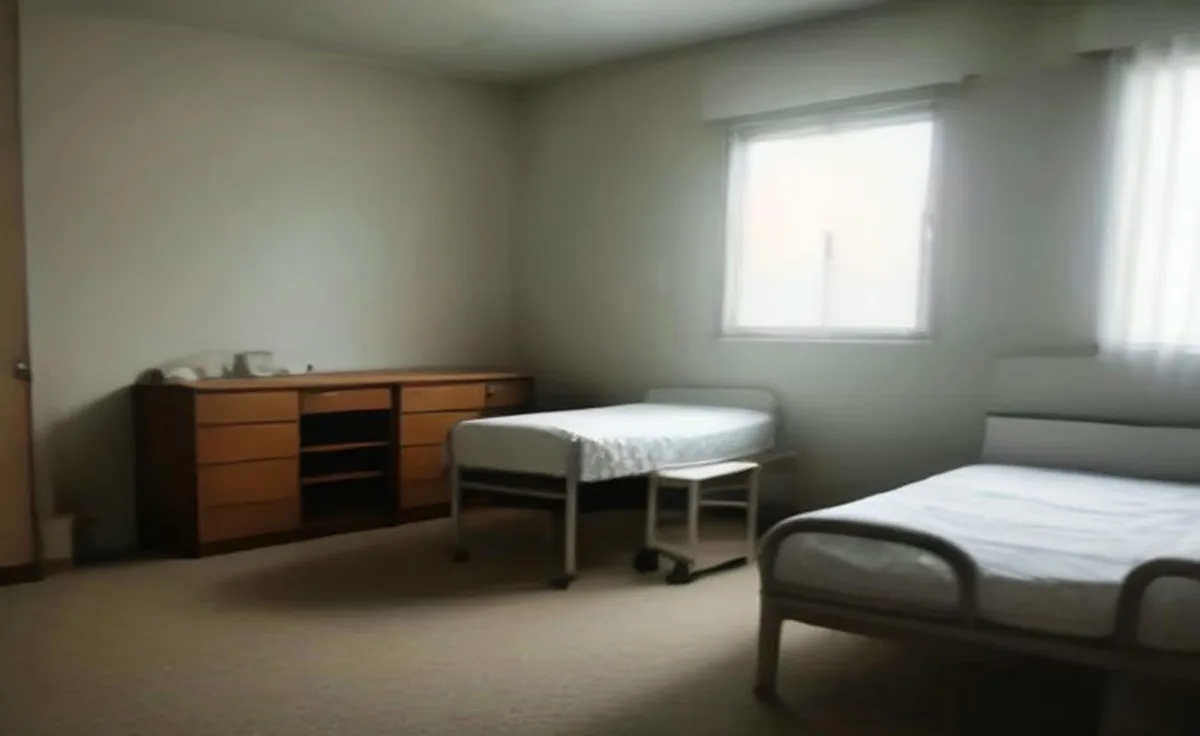
A 산후조리원 (sanhujoriwon, postpartum care centre) is a licensed facility where a Korean mother moves for roughly two weeks immediately after leaving hospital. Staff care for the newborn around the clock, meals are prepared, and the mother is supposed to do nothing but recover. 85.5 percent of Korean mothers who gave birth in 2023 used one, at an average cost of 2.865 million won for an average 12.6 days. The practice rests on an old idea about postpartum recovery and a new absence of anyone at home to provide it.
| The data | Figure |
|---|---|
| Usage rate | 85.5 percent of mothers who gave birth in 2023 |
| Average stay | 12.6 days |
| Average cost | 2,865,000 won, up 17.9 percent on 2021 |
| Usage trend | 75.1 percent in 2018, 81.2 percent in 2021, 85.5 percent in 2024 survey |
| Regulated under | The Mother and Child Health Act |
What is sanhujori, and why does Korea treat it as medical?

산후조리 (sanhujori) is the Korean concept of structured recovery in the weeks after childbirth. In traditional practice the new mother stays warm, avoids cold water and cold air, rests rather than moves, eats specific restorative foods above all 미역국 (miyeokguk, seaweed soup), and is relieved of all household work for a defined period, classically around three weeks.
The underlying belief is that the postpartum body is open and vulnerable, and that failing to recover properly produces 산후풍, a lasting condition of chills and joint pain attributed to postpartum exposure. Whether 산후풍 is a distinct clinical entity is disputed; what matters for understanding the culture is that Korean women and their families treat the postpartum period as a window in which permanent damage can be done, which makes doing it properly non-optional rather than indulgent.
Historically the labour came from the extended family, usually the new mother’s own mother or mother-in-law moving in. The modern facility is that arrangement, commercialised.
Why did it become an industry?
Because the family labour it depended on stopped being available.
Korean households are small and dispersed. Parents who would once have moved in are often still working, live hours away, or are managing their own care responsibilities. Korean women give birth later, so their mothers are older. Korean husbands have limited parental leave uptake and long working hours. And Korean urban dwellings are small enough that an additional adult living in for three weeks is a genuine imposition.
At the same time the belief that the recovery period must be done properly did not weaken. So demand for the service persisted while the unpaid supply disappeared, and a market filled the gap. The result is that a tradition about family care is now delivered by a priced facility with a staff rota, and the usage rate is rising rather than falling: from 75.1 percent in 2018 to 81.2 percent in 2021 to 85.5 percent in the latest survey.
What actually happens inside one?
The mother has a private room. The newborn is kept in a staffed nursery and brought to her for feeding, or fed there if she is not breastfeeding, which means she can sleep through the night. Three meals plus snacks are provided, built around recovery foods. There are lactation support, massage, light exercise classes and often postpartum care treatments. Visitor access is restricted, and infection control is strict.
The point is not luxury, although the market has a luxury end. The point is uninterrupted sleep and no domestic responsibility for two weeks, which in a country with no family member free to supply either is purchasable only commercially.
How much does it cost, and why is it rising so fast?
This is where the system has become a policy problem.
The Ministry of Health and Welfare’s postpartum care survey, conducted every three years since 2018 under the Mother and Child Health Act, put the average facility cost at 2.865 million won, up 17.9 percent on the 2021 figure, for an average stay of 12.6 days. The most recent survey covered 3,221 mothers who gave birth in 2023.
The price trajectory outruns inflation substantially. Reporting on national figures put the average standard-room rate at about 3.73 million won for two weeks against 2.25 million won in 2015, a rise of roughly 66 percent against consumer price inflation of about 23 percent over the same period, close to three times the general rate. Regional variation is extreme: Seoul averages are reported far above the national figure, around 8 million won, and the most expensive facilities have been reported at tens of millions of won for a two-week stay.
The drivers are staffing ratios, rent in the districts where demand concentrates, and a market where the buyer is making a one-time purchase under strong social pressure not to economise on their newborn. That last condition is not a competitive market in any useful sense.
Is it regulated?
Yes, under the Mother and Child Health Act, which defines postpartum care as a licensed business with requirements covering facilities, staffing, infection control and record-keeping. Enforcement actions against facilities for breaches of the Act are reported periodically.
The government has moved on transparency and quality rather than price. The Ministry of Health and Welfare has described mandatory posting of service items and fees and work toward an evaluation system, and has commissioned comprehensive surveys of the sector. Many local governments offer subsidies or vouchers toward the cost, and some operate public facilities at lower rates, though public capacity is small relative to demand.
Infection risk is the quality issue that gets most attention, because a facility concentrates many newborns in one building. This is the reason for the strict visitor rules, and parents are advised to ask about a facility’s infection history and nurse-to-infant ratio.
What should a foreign resident know?
Facilities accept foreign residents, and some in Seoul market specifically to international clients with English-speaking staff, at a premium.
Practical points. Book early, because popular facilities in Seoul fill months ahead, often before the second trimester. Check what your insurance covers, since postpartum care is generally not reimbursed by national health insurance as a medical service although some local subsidies apply to registered residents. Confirm the language in which newborn care instructions and consent documents will be provided. And ask directly about the nurse-to-infant ratio and infection control protocol rather than relying on the facility tour.
An alternative exists: 산후도우미, a government-subsidised home helper programme that sends a trained carer to your home for a set period. It is substantially cheaper, available to eligible residents including many foreign residents, and preferred by families who would rather recover at home. Usage of in-home care is considerably lower than facility use but it is a real option.
What are the trade-offs?
The case for it is stronger than outsiders assume. Two weeks of guaranteed sleep, professional newborn care, prepared nutrition and lactation support at the point of maximum physical depletion is a serious intervention in maternal health, and it is delivered to a very high proportion of Korean mothers. Postpartum depression and exhaustion are real risks that sleep and support mitigate. Compared with being discharged from hospital to an empty flat with a newborn, the facility is obviously better.
The costs are financial and structural. Nearly 3 million won on average, and far more in Seoul, lands on households at the exact moment their income falls and their expenses jump, in the country with the world’s lowest birth rate. Prices rising at three times inflation in a market where buyers cannot comparison-shop coolly is a straightforward market failure, and it adds to the stack of costs that Korean couples cite when explaining why they are not having children.
And there is a displacement question. The facility solved the problem of absent family help so effectively that it removed the pressure to fix the underlying conditions: paternal leave uptake, working hours, and whether a partner can actually be present for two weeks. A commercial service now does what a society might otherwise have had to reorganise itself to provide.
FAQ
How much does a Korean postpartum care centre cost?
The national average was 2.865 million won for an average 12.6-day stay, according to the Ministry of Health and Welfare’s survey of mothers who gave birth in 2023. Seoul averages are substantially higher and premium facilities far higher still.
How long do Korean mothers stay?
About two weeks, with an average of 12.6 days recorded in the official survey.
Is it covered by Korean national health insurance?
Generally no, as it is not treated as a medical service. Many local governments provide subsidies or vouchers to registered residents, and the separate in-home postpartum helper programme is subsidised.
Can foreigners use a sanhujoriwon?
Yes. Some facilities cater specifically to international clients with English-speaking staff. Book early and confirm the language of care instructions and consent documents.
Is there an alternative to a facility?
Yes, the 산후도우미 in-home helper programme, which sends a trained carer to your home and is significantly cheaper, with government subsidy for eligible families.
The structural answer
The postpartum care centre is a tradition that outlived the people who used to carry it out. Korea believed, and still believes, that the weeks after childbirth are a window in which a woman’s long-term health is decided, and for most of its history the grandmother supplied the labour that belief required. Small households, late childbearing, working parents and long hours removed her, and the belief stayed. What filled the gap is an unusually effective piece of maternal healthcare, used by 85.5 percent of mothers, and a market with prices climbing at triple the rate of inflation aimed at buyers who will not haggle over their newborn. It is Korean culture working exactly as intended, delivered by invoice.
Related reading: Why Are Some Young South Koreans Delaying or Opting Out of Marriage? Why Are Apartments So Popular in South Korea? Why Is Cosmetic Surgery So Visible in South Korea?
Sources and further reading
- Ministry of Health and Welfare: 2024 postpartum care survey results
- Ministry of Health and Welfare: 2024 postpartum care survey research materials
- Ministry of Health and Welfare: 2021 postpartum care survey results
- Etoday: 85.5 percent usage rate, 12.6 days and 2.865 million won average
- Maeil Shinmun: national average standard-room rate and the rise since 2015
- YTN: average and highest postpartum care centre costs
- Herald Business: average cost of a Seoul postpartum care centre
- Government of Korea: mandatory posting of service items and fees, and the planned evaluation system
- Government of Korea: comprehensive survey of postpartum care centres
- Korea Development Institute: 2024 postpartum care survey policy material