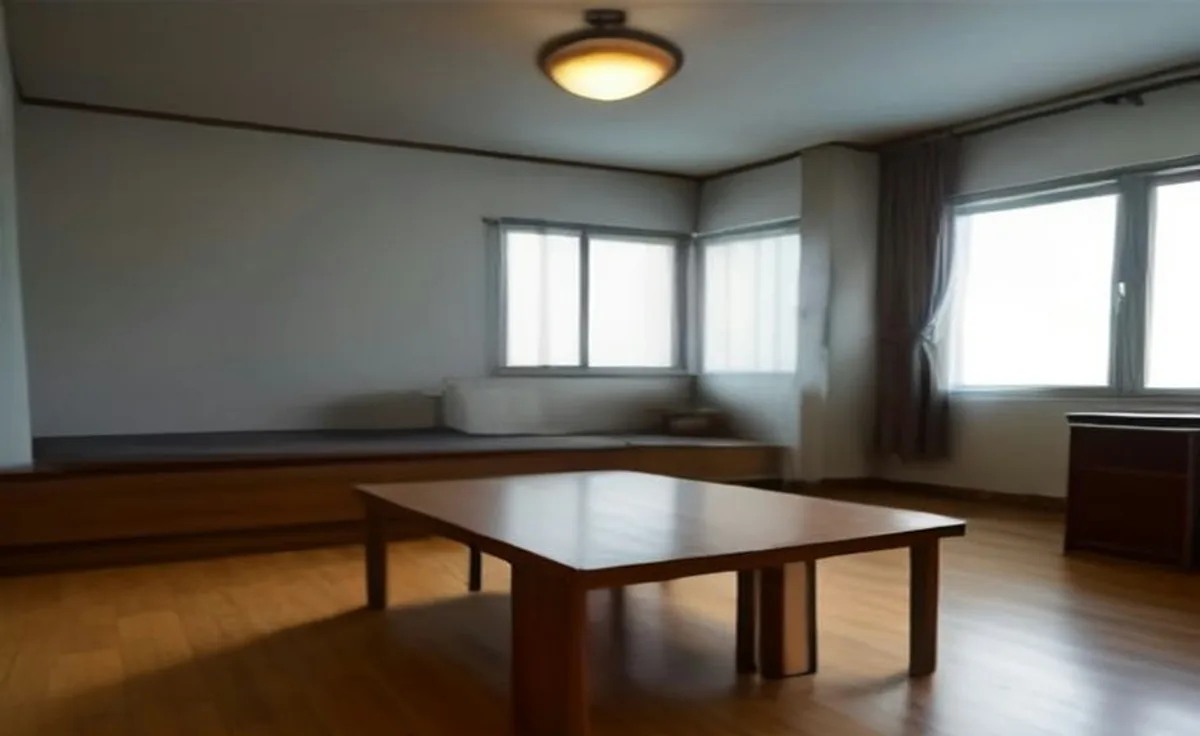
온돌 (ondol) heats a Korean home by heating the floor itself, rather than the air around a radiator or fireplace. Traditionally, smoke from a kitchen fire travelled through channels under thick stone slabs before leaving by a chimney, so the floor stored heat and released it slowly; in a modern apartment, hot water from a boiler runs through pipes embedded in the floor slab instead. Because the surface people sit, eat and sleep on is the heat source, ondol explains a cluster of things foreigners notice at once: shoes left at the door, sitting and sleeping on the floor, and a thermostat in almost every room.
| Term | What it means |
|---|---|
| 온돌 ondol | Underfloor heating, traditional or modern; literally warm stone |
| 구들 gudeul | The heated stone floor/slabs of a traditional ondol room |
| 아궁이 agungi | The firebox, usually opening from the kitchen, that fired a traditional ondol |
| 난방 nanbang | Heating, as on a home thermostat |
| 보일러 boiler (boilleo) | The gas boiler that heats water for a modern ondol system |
| 연탄 yeontan | Coal briquettes, the ondol fuel of the mid-twentieth century |
How did the traditional system work?
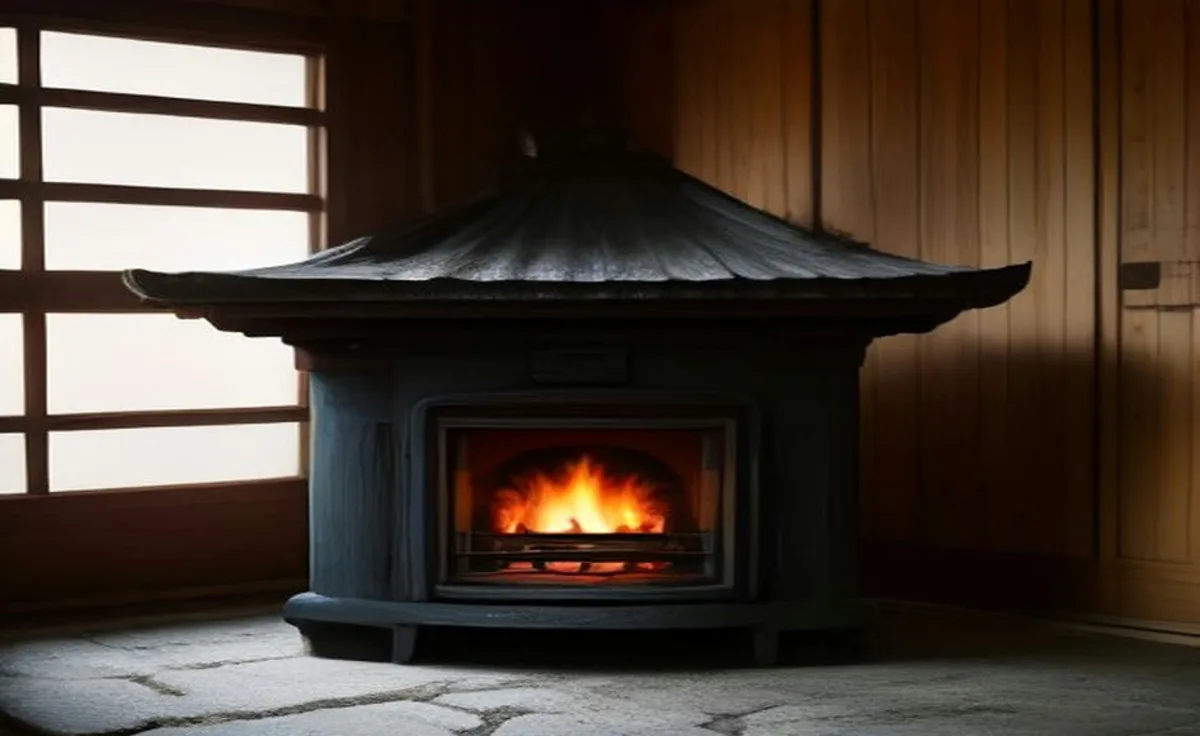
A fire was lit in the 아궁이, a firebox that typically opened from the kitchen, so one fire could cook and heat at the same time. Instead of sending smoke straight up a chimney, the design pulled it sideways through flues beneath a raised floor of stone slabs covered with clay and oiled paper. The stones absorbed the heat, the smoke exited through a chimney on the far side, and the floor stayed warm for hours after the fire died down.
The Cultural Heritage Administration records early forms on the Korean Peninsula from the Bronze Age and the Proto-Three Kingdoms period, with sites from between the third century BCE and the first century CE, and estimates more than 2,000 years of use. Ondol was designated a National Intangible Cultural Heritage in 2018 (announced that March, designated 30 April 2018) precisely because it shaped housing, furniture and daily life, not only heating technology. Unlike a fireplace, which warms the people near it and leaves the rest of the room cold, ondol turned the whole floor into a low, even heat store, an answer to long, hard winters in houses where life happened at floor level.
Why did heating the floor fit Korean life so well?
Because Korean domestic life was already organised on the floor, and a warm floor made that organisation comfortable in winter.
People sat on cushions, ate at low tables, and slept on bedding laid directly on the floor. A warm surface therefore heated the body by contact, not just the room’s air, and research on Korean heating history notes that traditional ondol kept floor temperatures high while room air stayed comparatively cool, a comfort habit that still shows in how warm many Koreans like their floors today. The system also divided the traditional house by season: ondol rooms for winter, and unheated wooden-floored spaces that stayed cooler in summer.
This is the structural link foreigners miss. Shoes come off indoors in Korea for cleanliness, but the custom is sustained by a floor that is a living surface, sat on, slept on and heated. You do not wear outdoor shoes on your bed, and in an ondol room the floor is close to being the bed.
What changed between the stone floor and the apartment?
The heat source changed three times; the idea did not.
First came fuel substitution. Through the Joseon period and into the 1950s the firebox burned wood, and heavy demand for firewood contributed to deforestation. From the 1950s to the late 1970s, many homes burned 연탄, coal briquettes, in a modified firebox under the same stone-slab floor. Briquettes were cheap and effective but dangerous: incomplete combustion caused repeated carbon monoxide poisoning when fumes leaked into rooms.
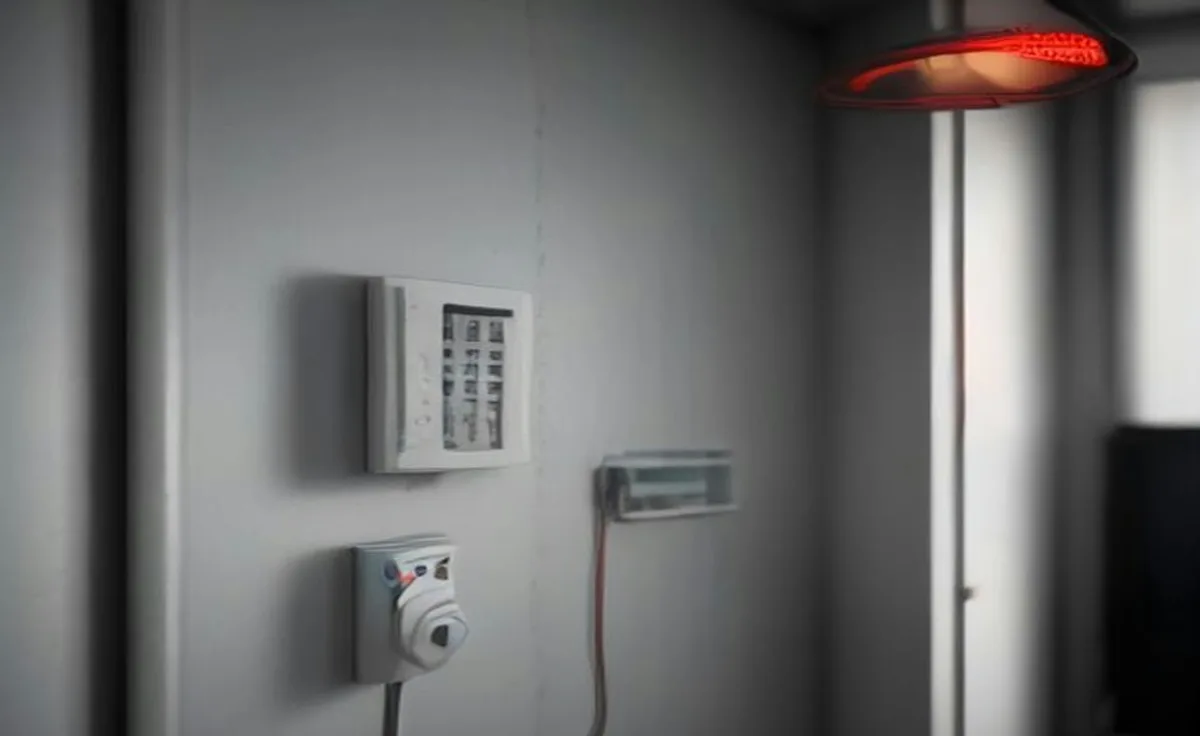
So, second, the smoke left the floor. Hot-water boilers using the ondol principle were developed in the 1960s, and from the late 1970s hot-water radiant floor heating with embedded tubes became the standard phase in Korean housing research. In today’s apartment, a boiler (individual to the home, central to the building, or supplied by district heating) sends hot water through pipes in the floor. The resident sees only a thermostat, often with 난방 (heating) and 온수 (hot water) controls, and sometimes separate controls by room.
Third, the building changed around it. Apartment towers made the buried crock and the kitchen firebox impossible, but they kept the warm floor, because by then a heated floor was not a traditional extra. It was what a Korean home was expected to be.
Is ondol efficient, or just comfortable?
Both, with a cost that depends on how it is used.
Heating the floor delivers warmth where bodies are, and the slab’s thermal mass smooths temperature swings, so a room can feel comfortable without blasting hot air. Those are real advantages, and they are why underfloor heating has been adopted well beyond Korea. The cost side is control and habit. A floor that Koreans prefer genuinely warm, heated across a whole apartment for long hours, uses real energy; heating-history research on modern apartments found that the preference for high floor temperature, inherited from ondol, is itself a driver of residential heating energy use, and suggested zoning, continuous supply and finer controls as savings measures.
In practice, Korean homes manage this with per-room thermostats, timers, and the 외출 (away) setting that keeps pipes from getting cold or freezing without fully heating the home. Visitors renting in Korea should learn those three controls before touching anything else, and should not simply switch 난방 off through a winter absence in a cold spell.
The comforts and costs of a heated floor
What ondol gives. Even, quiet, invisible heat; a floor that doubles as seating and bedding; and a home that is comfortable at floor level, where Korean domestic life still largely happens. It also dries laundry laid out indoors and makes a small apartment feel usable in every corner in January.
What it costs. Slow response (a cold slab takes time to warm and to cool), higher installation cost than radiators, repair that can mean lifting a floor, and heating bills that punish heating every room to a high floor temperature. Traditional ondol had harder costs still: fuel labour, firewood pressure on forests, and, in the briquette era, carbon monoxide risk.
The honest middle. Modern ondol kept the comfort and removed the smoke. What it could not remove is the energy question, which is why Korean heating debate is now about zoning, insulation and metering rather than about whether floors should be warm.
What is changing now?
Newer apartments add finer room-by-room control, better insulation and, in some complexes, district heating with individual metering, all aimed at the same target: keep the warm floor, stop heating empty rooms. Interest from outside Korea has also flipped ondol’s status: a vernacular system once treated as backward next to Western radiators is now marketed internationally as a model of radiant comfort, and Korean builders export the expectation with Korean-style housing.
What has not changed is the expectation itself. A Korean home whose floor is cold in winter still reads, to most Koreans, as a home that is not properly heated.
Frequently asked questions
What does ondol mean?
Ondol (온돌) means underfloor heating. Traditionally it used fire smoke under stone slabs; today it usually means hot-water pipes in the floor heated by a boiler.
Why do Koreans take their shoes off indoors?
Partly cleanliness, and partly because the floor is a living and sleeping surface, and, with ondol, the heated surface. Outdoor shoes do not belong on it.
Do all Korean homes have ondol?
Almost all modern Korean homes and apartments have hot-water floor heating in the ondol tradition, controlled by room thermostats. Older or specialised buildings may differ.
Is ondol the same as Western underfloor heating?
The modern principle, radiant heat from pipes in the floor, is the same family. Ondol is the much older Korean system from which the modern Korean version descends, originally using smoke under stone.
What should a foreign resident know about the thermostat?
Learn 난방 (heating), 온수 (hot water) and 외출 (away) settings. Use away mode rather than switching heating fully off in cold weather, to save energy without risking frozen pipes.
How a 2,000-year-old system became a thermostat
Ondol survived every change of fuel and building type because it was never only a heating device. It was the technology that made a floor-centred way of living possible through a Korean winter, and each era (wood fire, coal briquette, gas boiler, district heating) replaced the dangerous or dirty part while keeping the warm floor. That is why a system documented for more than 2,000 years and protected as national heritage in 2018 is also, today, simply the thermostat on an apartment wall.
Related reading: Why Are Apartments So Popular in South Korea? Why Are Apartments So Popular in South Korea? Why Is South Korea So Concentrated in Seoul?
Sources
- Cultural Heritage Administration: Ondol (Underfloor Heating): history from the Bronze Age and Proto-Three Kingdoms period, and how the system works
- Korea.net: Ondol becomes national intangible heritage item (2018 designation, agungi, and floor-centred living)
- Historical changes and recent energy saving potential of residential heating in Korea: the three phases from traditional ondol to coal briquette to hot-water radiant heating (Dongguk University / journal record)