Why Is Korean Household Debt So High, and Is It Falling?
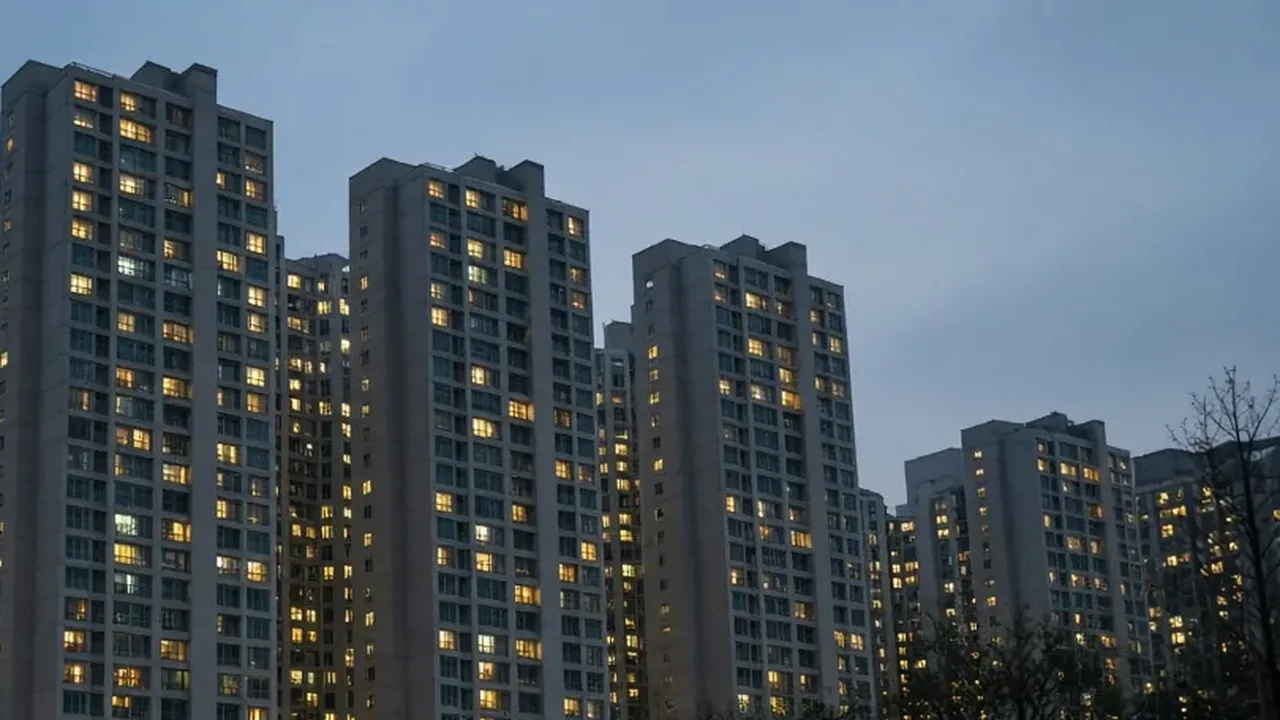
Korean household debt is 171% of disposable income, among the highest in the OECD, yet its share of GDP fell to 81.1% in 2026. Here is why and what it means.
Korean household debt is 171% of disposable income, among the highest in the OECD, yet its share of GDP fell to 81.1% in 2026. Here is why and what it means.

Korean monthly rent still asks for a deposit worth many months of rent. The deposit lowers the monthly bill, secures the landlord, and links wolse to jeonse.

Korean households route each payday into separate accounts by purpose. Free instant transfers, card tax deductions and lump-sum housing goals make it rational.

Gwanribi is the monthly fee Korean apartments charge for shared services. Here is what the law requires on the bill, and the item tenants can claim back.