What Is an Officetel in South Korea, and Why Do People Live in One?

An officetel is legally an office building that people live in. Korea built the category by deregulating it one bathroom and one heated floor at a time.
 Hyunmo Koo
An officetel is legally an office building that people live in. Korea built the category by deregulating it one bathroom and one heated floor at a time.

Why Korean food delivery is so fast and cheap, and who really pays when the app says free delivery. Official fee, density and labour data.

A cheongyak account is Korea’s queue ticket for a new apartment. Points accrue for years of not owning a home, which is why parents open one for children.

Gwanribi is the monthly fee Korean apartments charge for shared services. Here is what the law requires on the bill, and the item tenants can claim back.

Korea conditionally approved Google map exports in February 2026. What changed, what remained unconfirmed as of 9 October, and which navigation apps to use.

Korean marriages rose in 2025, yet first marriages remain late. Explore how housing, debt, care work and proposed—not yet finalized—2027 support shape the debate.
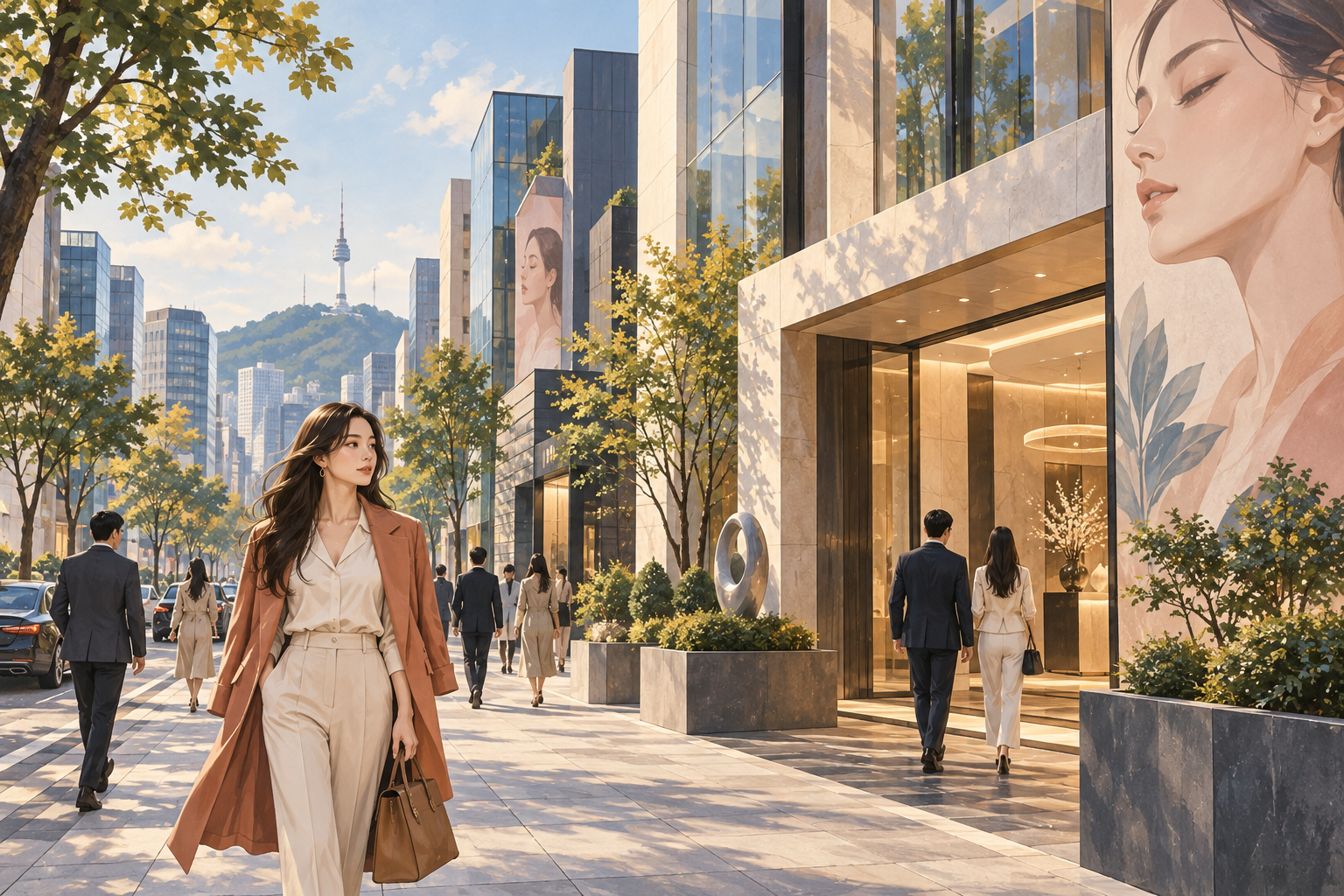
Why cosmetic surgery is so visible in Gangnam: advertising incentives, medical clustering, foreign patients, and why clinic and patient counts cannot show how many Koreans have surgery.
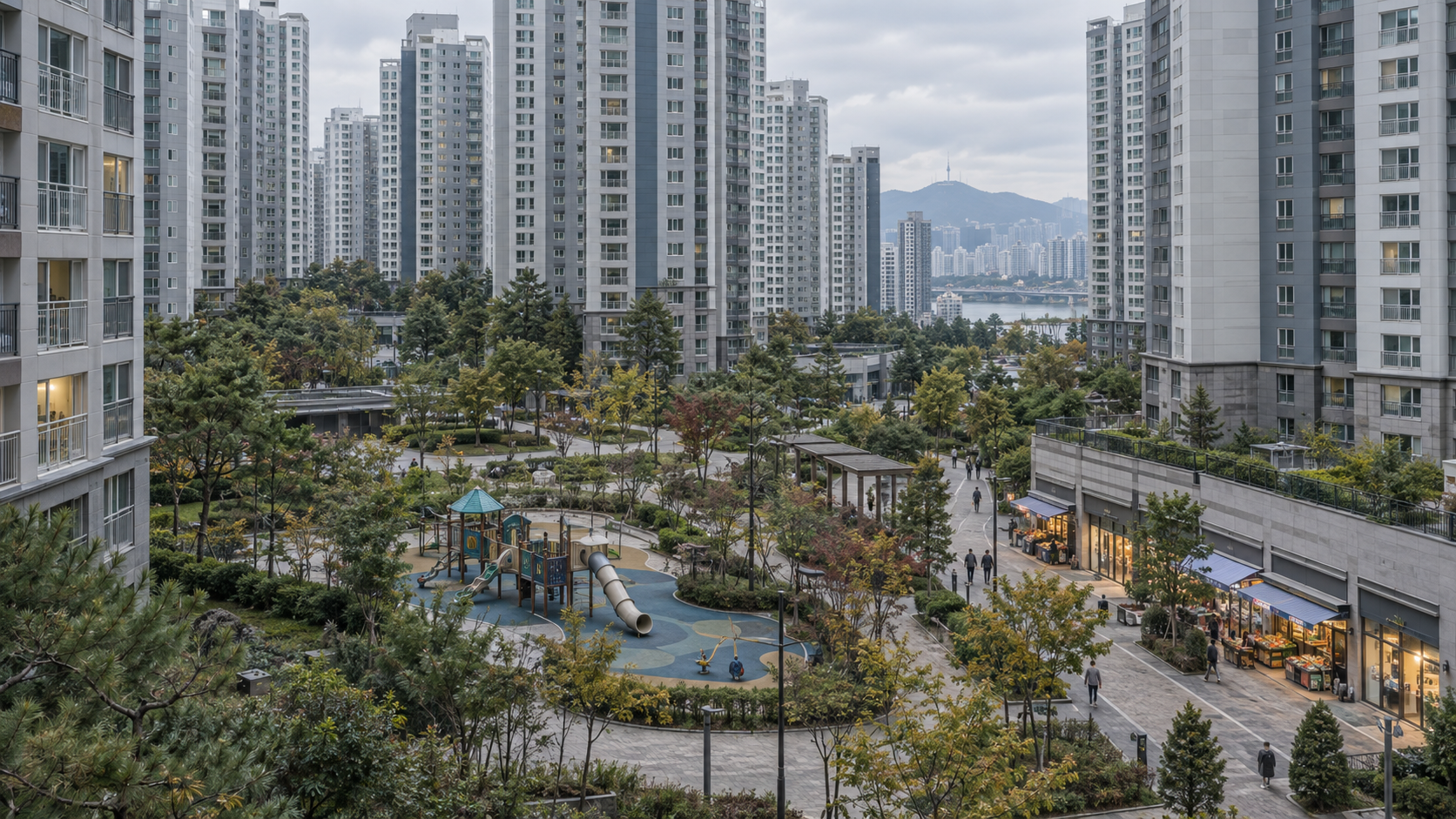
Korean apartments dominate housing because urban planning, shared management, school access, financing and resale markets reinforce each other. Here is what buyers compare and what the statistics really measure.
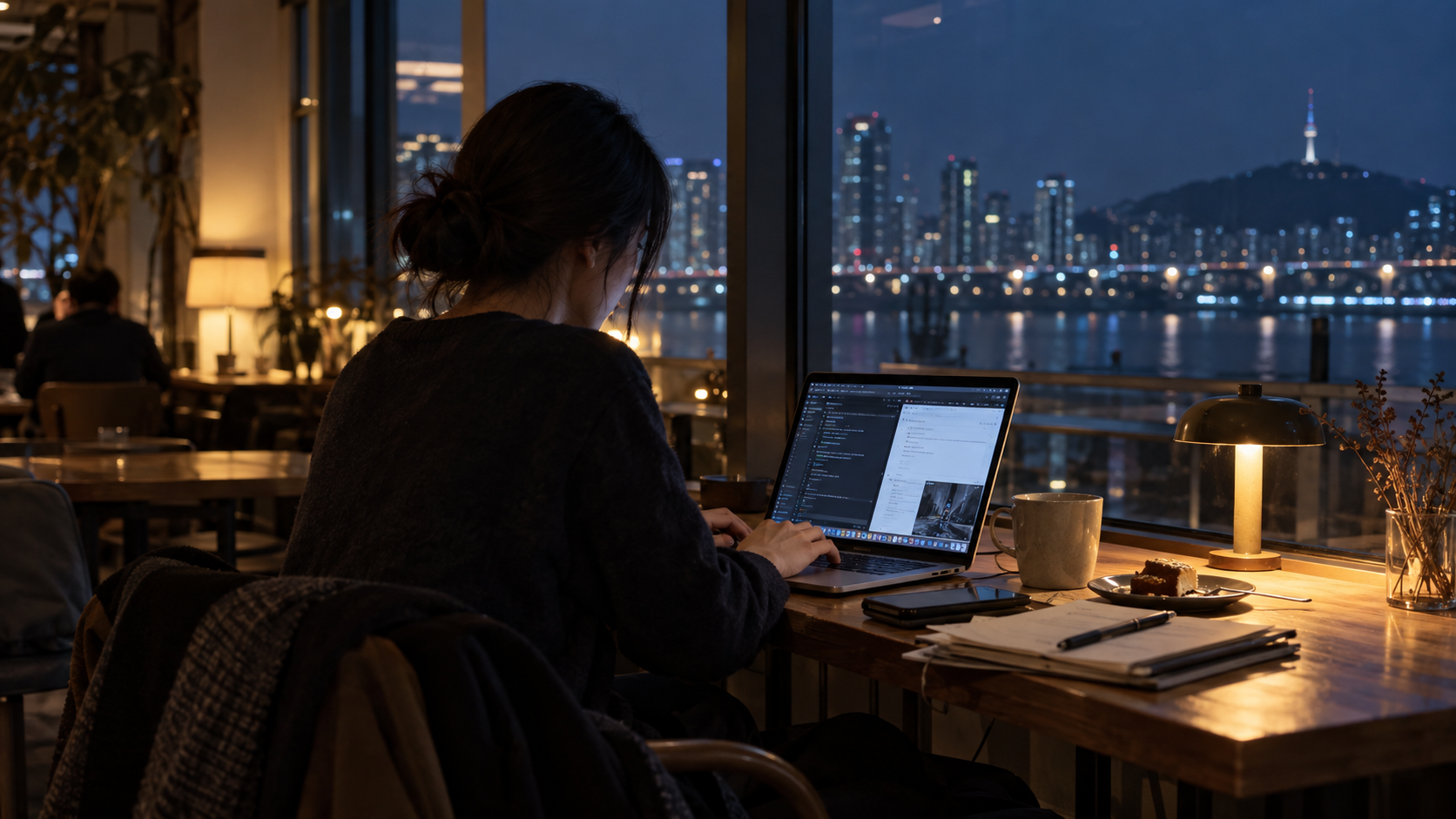
Korean side hustles range from freelance work to ecommerce and content creation. Understand the N-job trend, hidden costs, risks and the difference between revenue and profit.
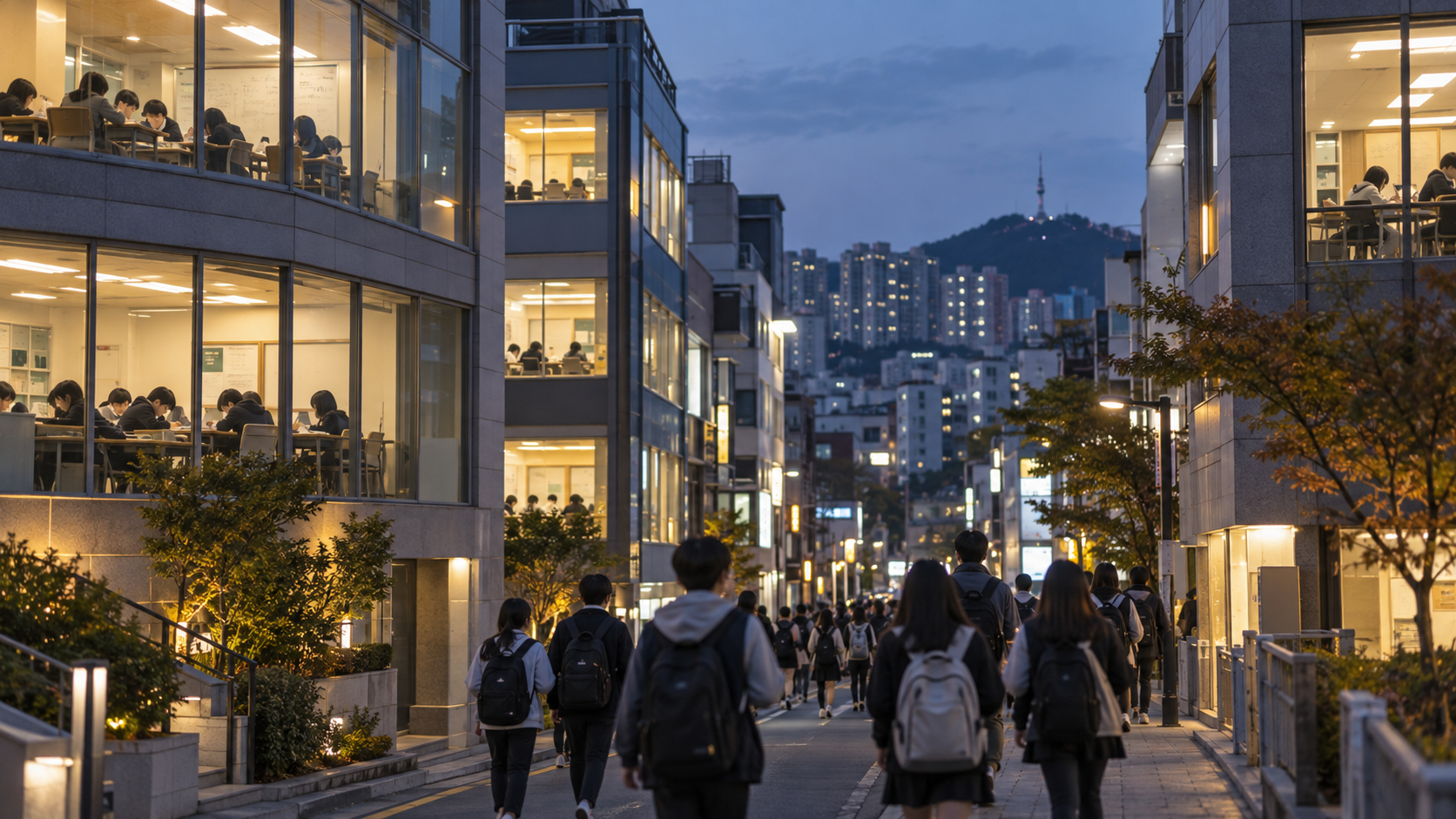
In 2025, Korean private education spending fell to ₩27.5 trillion while spending per participating child increased. Here’s how hagwon demand, competition and inequality fit together.