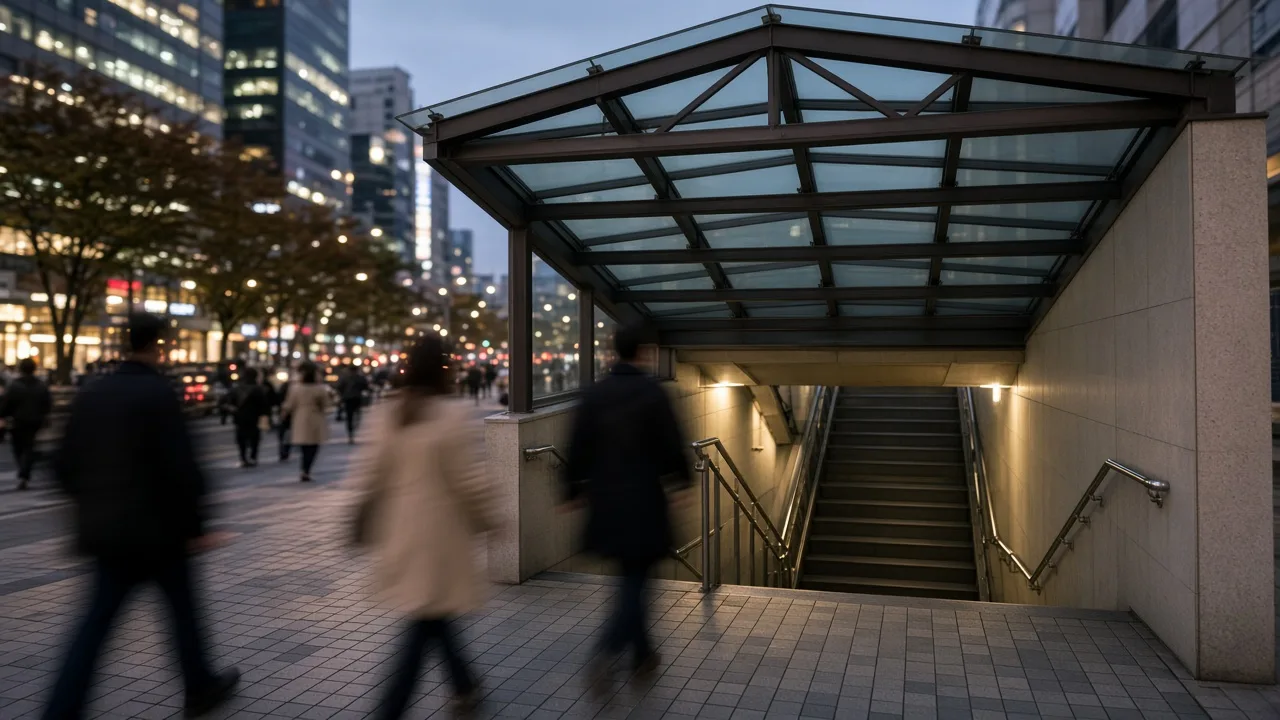
Seoul subway exit numbers are not random. On most lines, exit 1 is the exit at the front right of the platform in the “up” direction, and the numbers then run clockwise around the station. Line 1 starts from a different corner, interchange stations follow the older line, and new lines can push the old numbers up. Knowing these rules helps you pick the right exit when a map says “Exit 6” and a wrong choice can mean a 15-minute walk around a block. This guide explains the system, its exceptions and the reasons Seoul adopted it, using public data and news reports.
The basic rule for subway exit numbers
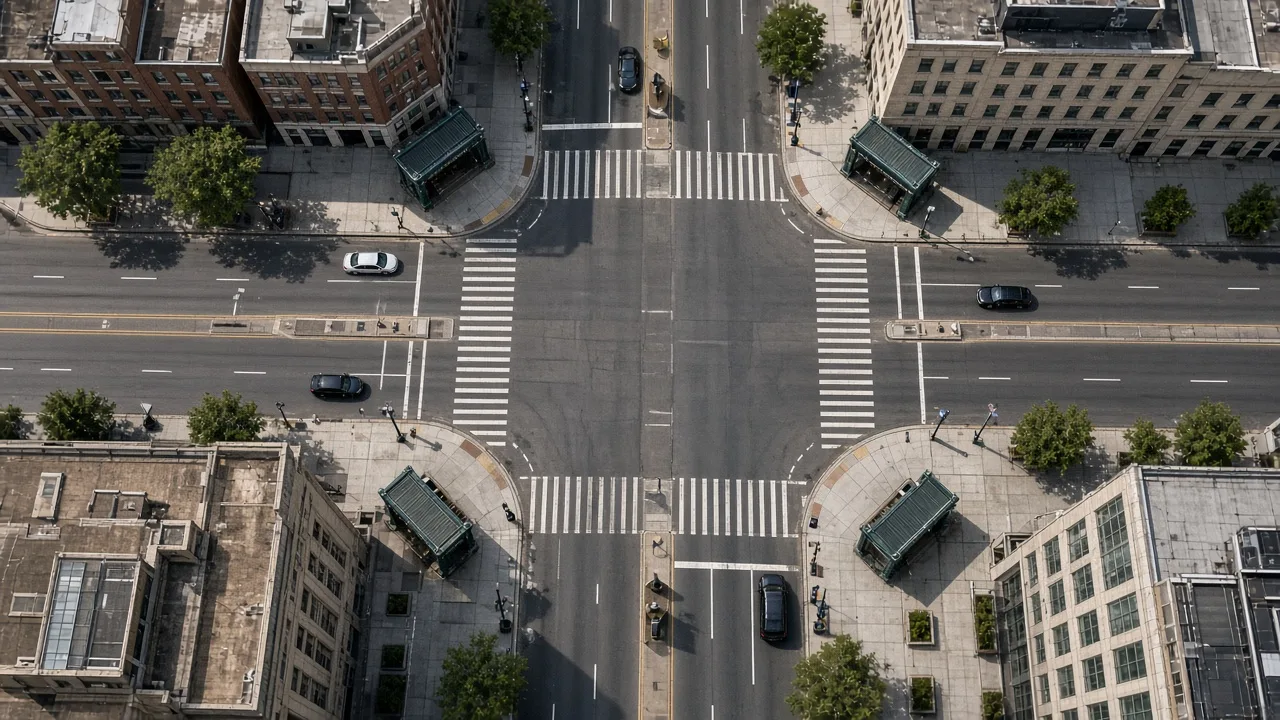
The most direct description comes from the public data portal entry for the Seoul Metro exit and landmark dataset, which is maintained through the Korea Rail Network Authority and was last modified in September 2026. It describes the Seoul-area rules like this:
- Line 1: exit 1 is the exit at the left rear in the up-line direction. From exit 2 on, numbers run clockwise.
- Other lines: exit 1 is the exit at the front right in the up-line direction, with numbers running clockwise (2, 3 and so on). For Line 2, the direction used is the outer loop.
- Interchange stations: numbering follows the line that opened first. Exit 1 of the earlier line is exit 1 of the station, and the numbers continue clockwise.
The portal’s example is Konkuk University Station, where Lines 2 and 7 meet. Line 2 opened first, so the Line 2 exit at the front right in the outer-loop direction is exit 1. Going clockwise, the two exits that belong to Line 7 come out as exits 3 and 4.
The same page notes that when a station becomes an interchange, the exits of the new line can be inserted into the sequence, so some existing numbers shift upward by one or more places.
Why numbers can change: the Gangnam and Hongdae cases
The shifting is not just a theoretical rule. In 2011 the Dong-A Ilbo reported on a renumbering at Gangnam Station, tied to the planned opening of the Shinbundang Line. Four new exits were being added toward Yangjae, and the city planned to renumber clockwise, keeping exits 1 and 2 and moving the others up by four. The old exit 4, where Samsung Electronics’ headquarters stood, would become 8, and the old exit 6 would become 10. The old final exit 8, toward the Gukkiwon, would become 12.
The change went badly. According to the article, the numbers were changed when the underground shopping arcade reopened on 13 July without proper notice, and signs showed both the new and old numbers. One commuter said he lost 20 minutes in the arcade after coming out of what he thought was exit 6 and finding himself facing the opposite direction. After protests, the city decided to go back to the old numbers until the Shinbundang Line actually opened, a week after the new ones had started.
The same report said that Hongik University Station had changed earlier in 2011: when four exits for the Airport Railroad were added, the old exit 5 became exit 9. The people interviewed pointed out that some exits had long been used as meeting places, such as the exit by a well-known bakery in Gangnam, so a new number was a real inconvenience.
The lesson for a visitor is that old blog posts and old directions can contain exit numbers that no longer match. Always check against a current map.
Why the city numbers exits clockwise
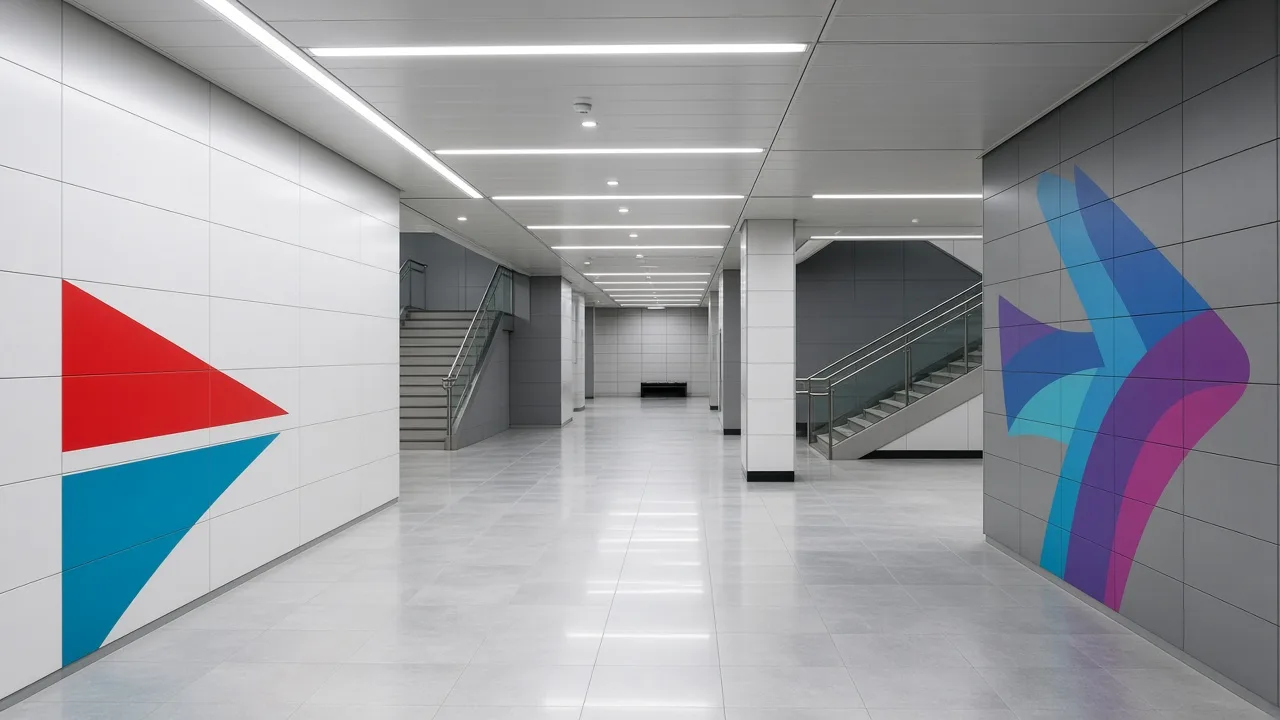
The Dong-A Ilbo article quotes Seoul’s urban railway team leader as saying that the city gave the exits a direction so that people can tell at a glance, from street level, which way an exit faces, and so that rescue is easier in an emergency. The article also says that the city has applied a standard on integrated entrance numbering, enacted in 1999, which requires the whole station to be renumbered clockwise, including existing exits, when a new line is added.
That is why a clockwise logic helps in practice. If you know exit 1 and exit 2 are on one side of the road, you can predict that the higher numbers are around the next corners, even when you have never been to the station. The numbers follow the circle around the station, so they tell you the order of the exits, not how far each one is from your destination.
Other cities do it differently
The same data portal page says that Korea does not use one system everywhere:
- Daegu: exit 1 is the exit at the front right in the up-line direction, but numbers run counterclockwise.
- Daejeon Line 1 and Gwangju Line 1: they follow the method used on Seoul’s Line 2 and later lines.
- Busan: it uses an unusual scheme based on odd and even numbers. The page calls it the most unusual of the systems, but its description of the Busan rule is cut off, so the details are not given here. Check the signs at the station when you are in Busan.
If you are heading to a city outside Seoul, do not assume that the clockwise rule applies.
How to pick the right exit as a visitor
- Search the map for the exit, not just the station. Many Korean map apps show the nearest station and exit when you search for a building. Why Seoul’s map situation is different from other countries is covered in why Google Maps is limited in South Korea.
- Use the signs inside the station. Signs inside stations commonly list the landmarks near each exit. The public dataset mentioned above lists major buildings by exit, such as government offices, schools, hospitals, parks and apartment complexes. As of the 2026 file it has about 10,589 rows.
- Look at the exit number as a direction clue, but verify. The clockwise logic suggests where an exit faces, yet the starting corner depends on the line.
- At interchange stations, expect surprises. Numbering follows the line that opened first, so the exits near a later line’s platforms can carry numbers in the middle of the sequence, as with Line 7 at Konkuk University Station.
- Pick a meeting spot by exit number and landmark. Exits are widely used as meeting points, as the Gangnam story shows. In large stations with underground arcades, such as the ones in why Seoul has underground shopping arcades, a wrong exit can put you a long way from your meeting point.
- For the system as a whole, see why Seoul’s public transportation is so good.
A worked example: reading the rule at a station
Take an ordinary interchange-free station on Line 3. Stand on the platform facing the “up” direction of the line. The exit at the front right, the end of the platform in that direction and on that side, is exit 1. Walk the outline of the station clockwise as seen from above and the next exits are 2, 3, 4 and so on until the circle closes. If you are on Line 1, start instead from the left rear and keep the same clockwise direction. If the station is where two lines meet, ask which line opened first, because that line’s exit 1 becomes the station’s exit 1. In practice you rarely need to work all this out on the platform. The point is that when two friends each report “exit 5” for the same station, they should be talking about the same door, and that is only true if the station follows one numbering rule from top to bottom.
The rule predicts order, not distance. Exits 1 and 8 can be next to each other on the street if the circle closes there, and exits 1 and 2 can be a block apart. Before you walk, look at the exit’s position on the in-station map and not only at the number.
What the official station data covers
The station dataset published by Seoul Metro on the Public Data Portal lists 276 stations on Lines 1 to 8 as of 31 August 2026, with columns for the station area in square metres, the number of floors, the platform type, the number of entrances and the interchange lines. The platform type is one of three kinds: an island platform with the tracks on both sides, side platforms with the tracks in the middle, or a combination of the two. The dataset states that it is based on the design guidelines for urban rail stations and transfer and convenience facilities issued by the Metropolitan Transport Commission in 2025. The exit-by-exit landmark file mentioned above is a separate dataset, so check the file that matches the question you have: one counts entrances per station, the other describes what is near each numbered exit.
Common questions
How are Seoul subway exits numbered?
On most Seoul lines, exit 1 is the front-right exit in the up-line direction (the outer-loop direction on Line 2), and numbers run clockwise. Line 1 starts from the left rear exit.
Why does Line 1 number its exits differently?
The public data portal describes the difference but does not explain the reason. Line 1 uses the left rear exit in the up-line direction as exit 1 and then goes clockwise, while the other lines start from the front right.
Do exit numbers ever change?
Yes. When a new line is added to a station, the whole station can be renumbered clockwise, which shifts existing numbers. Gangnam Station’s planned renumbering in 2011 moved some exits up by four.
How do interchange stations number their exits?
According to the public data portal, numbering follows the line that opened first, starting from that line’s exit 1 and going clockwise. At Konkuk University Station, the two Line 7 exits are exits 3 and 4.
Are Korean subway exits numbered the same way in Busan and Daegu?
No. Daegu runs counterclockwise from the front right exit in the up-line direction, and Busan uses a different odd-and-even scheme.
References and further reading
- Public Data Portal, “Seoul Transportation Corporation station operation status” (data as of 31 August 2026, modified 8 September 2026, Korean): data.go.kr
- Public Data Portal, “Korea Rail Network Authority: Seoul Transportation Corporation major places by exit” (file dated 30 June 2026, modified 8 September 2026, Korean): data.go.kr
- Dong-A Ilbo, “Fluctuating subway exit numbers… ‘Gangnam Station is confusing'” (4 August 2011, Korean): donga.com